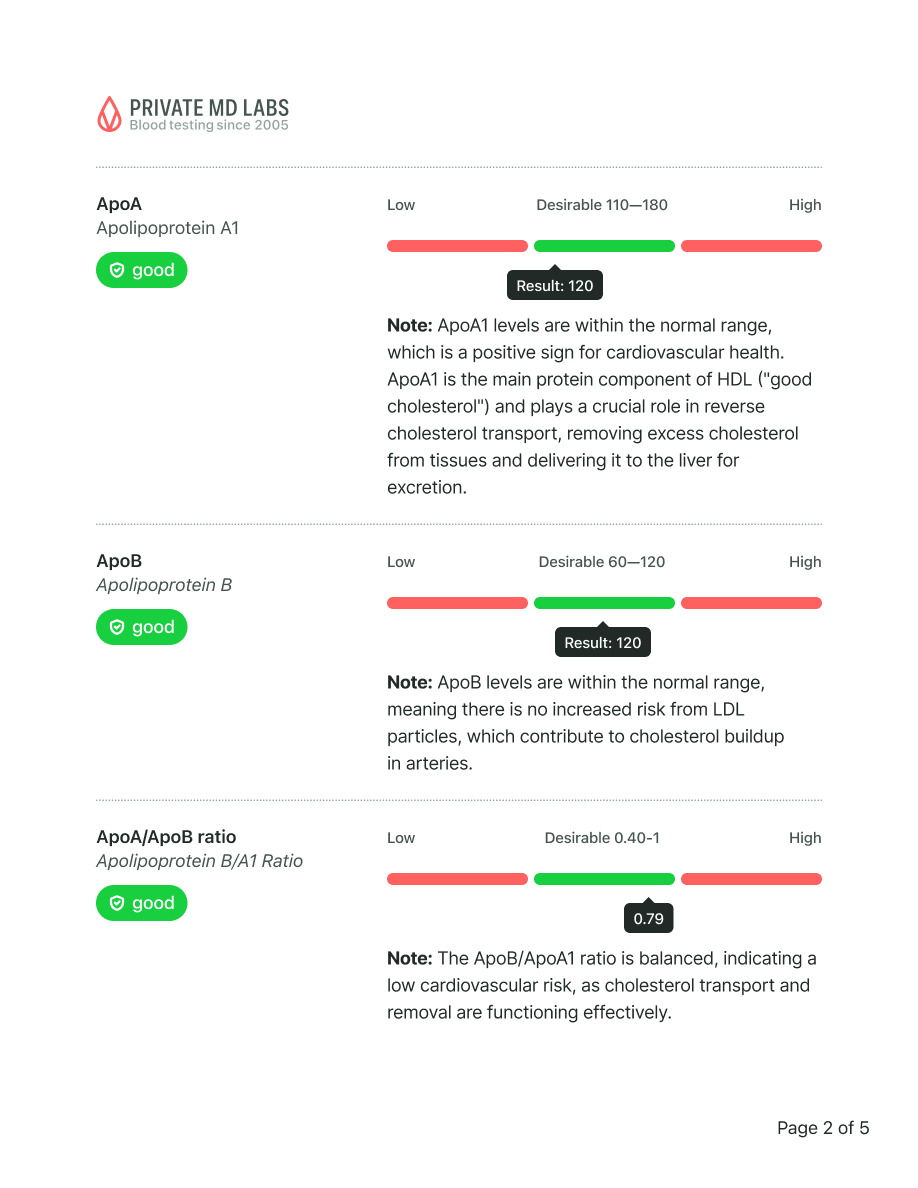
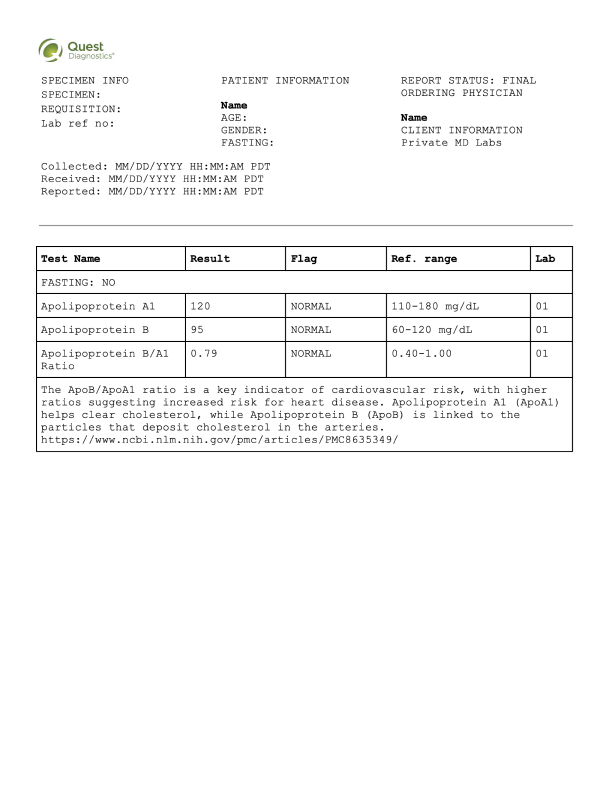
Sample results
Human T-Cell Lymphotropic Virus Type I (HTLV-I) infection is a retroviral infection that attacks T-cells, a crucial component of the immune system. It is caused by the HTLV-I retrovirus, which can remain dormant for years but may lead to adult T-cell leukemia/lymphoma and tropical spastic paraparesis. The Human T-Cell Lymphotropic Virus I, II Antibodies Test with Confirmation is the most important test for diagnosis because it detects antibodies confirming infection.
HTLV-I infection is caused by the Human T-Cell Lymphotropic Virus Type I, a retrovirus that specifically targets and infects T-cells in your immune system. The virus spreads through contact with infected blood, sexual contact with an infected person, breastfeeding from an infected mother, or sharing needles. Once the virus enters your body, it integrates into your T-cells and can remain dormant for many years, sometimes decades, before potentially causing health problems.
The Human T-Cell Lymphotropic Virus I, II Antibodies, Preliminary Test with Confirmation is the most important test for HTLV-I infection because it detects specific antibodies your body produces in response to the virus. This comprehensive blood test includes both an initial screening and a confirmatory test to ensure accuracy and distinguish between HTLV-I and HTLV-II infections. The test is essential because it can identify infection even when you have no symptoms, allowing for early monitoring and intervention if needed to prevent serious complications like adult T-cell leukemia or neurological disorders.
You should get tested if you were born in or have lived in areas where HTLV-I is common, such as Japan, the Caribbean, parts of Africa, or South America. Testing is also important if you have a sexual partner with known HTLV-I infection, received a blood transfusion before 1988, share or have shared needles, or are experiencing unexplable neurological symptoms like leg weakness or bladder problems. Additionally, pregnant women from high-risk areas should get tested to prevent transmission to their baby through breastfeeding.
What this means
Your testosterone levels are slightly below the optimal range. While this is not necessarily cause for concern, it may contribute to occasional fatigue, reduced motivation, or lower muscle mass over time.
Recommended actions
Increase resistance or strength training
Prioritize 7–8 hours of quality sleep per night, try to reduce stress
Include more zinc- and magnesium-rich foods (like shellfish, beef, pumpkin seeds, spinach)
Consider retesting in 3–6 months
Not overhyped or overpriced. Just comprehensive blood testing made simple and for everyone.
Sample results
Your 24/7 Personal Lab Guide
Quick questions: