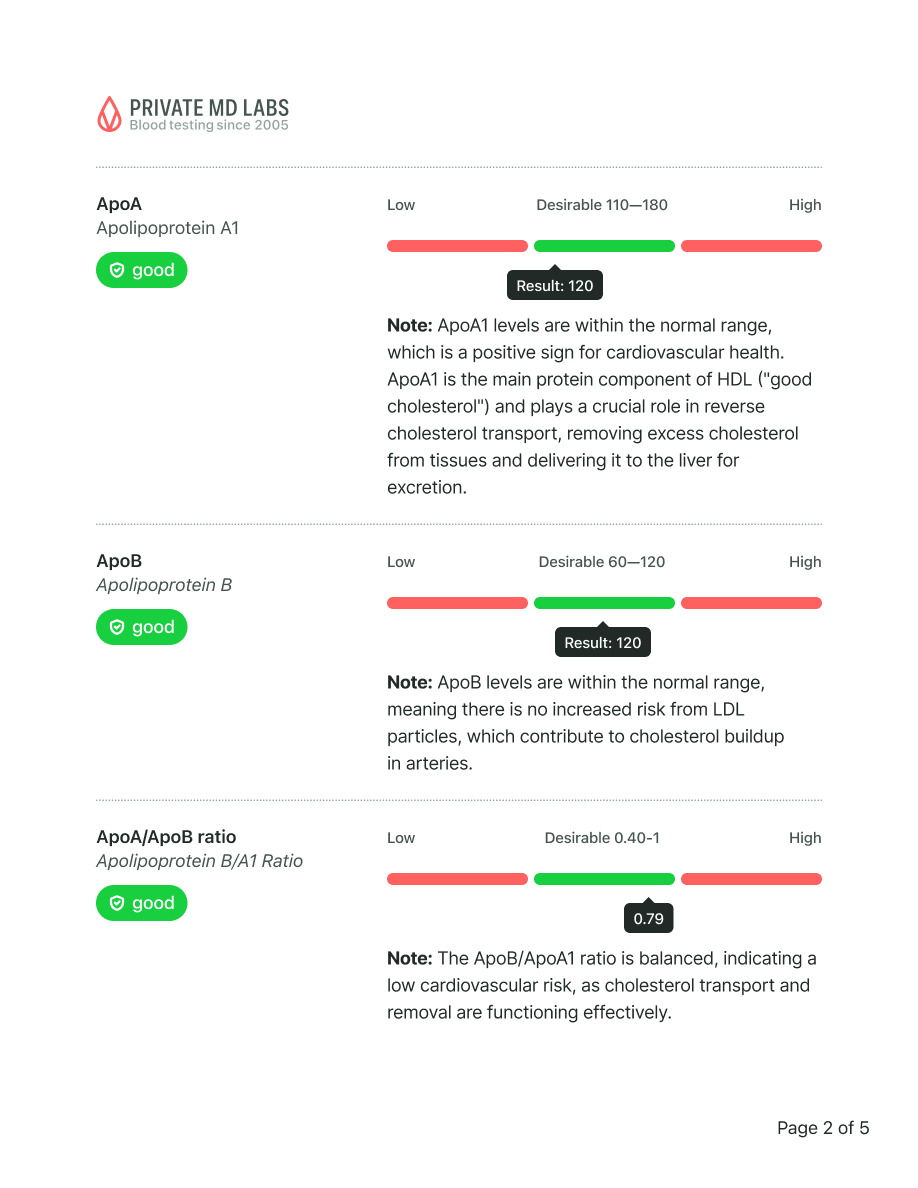
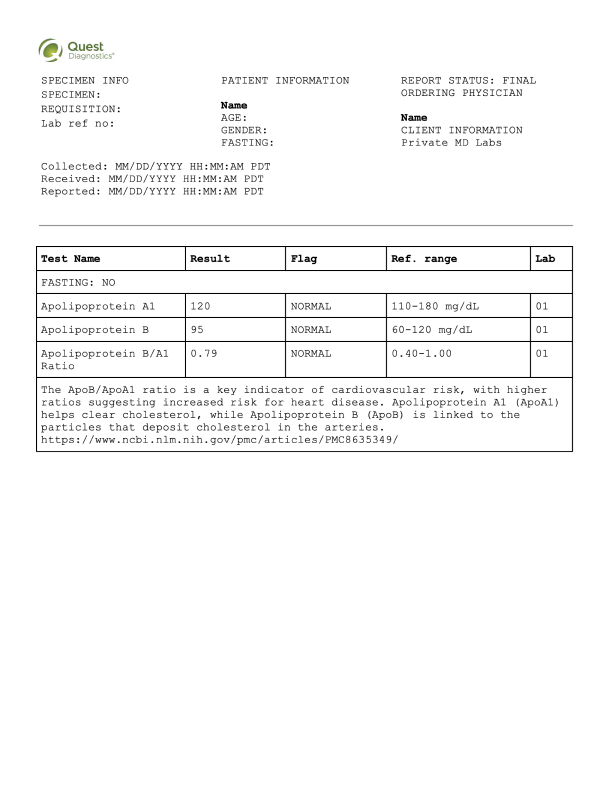
Sample results
HTLV-II-associated neurological disease is a rare condition that causes nerve damage, muscle weakness, coordination problems, and sensory disturbances. It is caused by infection with Human T-Cell Lymphotropic Virus Type II (HTLV-II), a retrovirus that attacks the nervous system. The Human T-Cell Lymphotropic Virus I, II Antibodies Test with Confirmation is the most important test for diagnosis because it detects antibodies against HTLV-II infection in the blood.
HTLV-II-associated neurological disease is caused by infection with Human T-Cell Lymphotropic Virus Type II (HTLV-II), a retrovirus that invades and damages the nervous system. This virus is transmitted through blood contact, sexual transmission, or from mother to child during pregnancy or breastfeeding. Once HTLV-II enters the body, it infects T-cells and can trigger inflammation in the brain and spinal cord, leading to progressive nerve damage that causes muscle weakness, coordination problems, and sensory disturbances.
The Human T-Cell Lymphotropic Virus I, II Antibodies Test with Confirmation is the most important test for HTLV-II-associated neurological disease because it detects specific antibodies your immune system produces in response to HTLV-II infection. This comprehensive test includes both preliminary screening and confirmatory testing to distinguish between HTLV-I and HTLV-II infections, which is critical since they cause different symptoms. When combined with neurological symptoms like muscle weakness and coordination problems, a positive HTLV-II antibody result confirms the diagnosis and helps your doctor develop an appropriate treatment plan.
You should get tested if you experience unexplained muscle weakness, difficulty walking or maintaining balance, numbness or tingling in your legs or feet, or progressive coordination problems. Testing is especially important if you have risk factors like receiving blood transfusions before 1988 (when screening began), having shared needles, or being from an area where HTLV-II is more common. Early detection through blood testing allows you to start monitoring and treatment before nerve damage becomes severe.
What this means
Your testosterone levels are slightly below the optimal range. While this is not necessarily cause for concern, it may contribute to occasional fatigue, reduced motivation, or lower muscle mass over time.
Recommended actions
Increase resistance or strength training
Prioritize 7–8 hours of quality sleep per night, try to reduce stress
Include more zinc- and magnesium-rich foods (like shellfish, beef, pumpkin seeds, spinach)
Consider retesting in 3–6 months
Not overhyped or overpriced. Just comprehensive blood testing made simple and for everyone.
Sample results
Your 24/7 Personal Lab Guide
Quick questions: