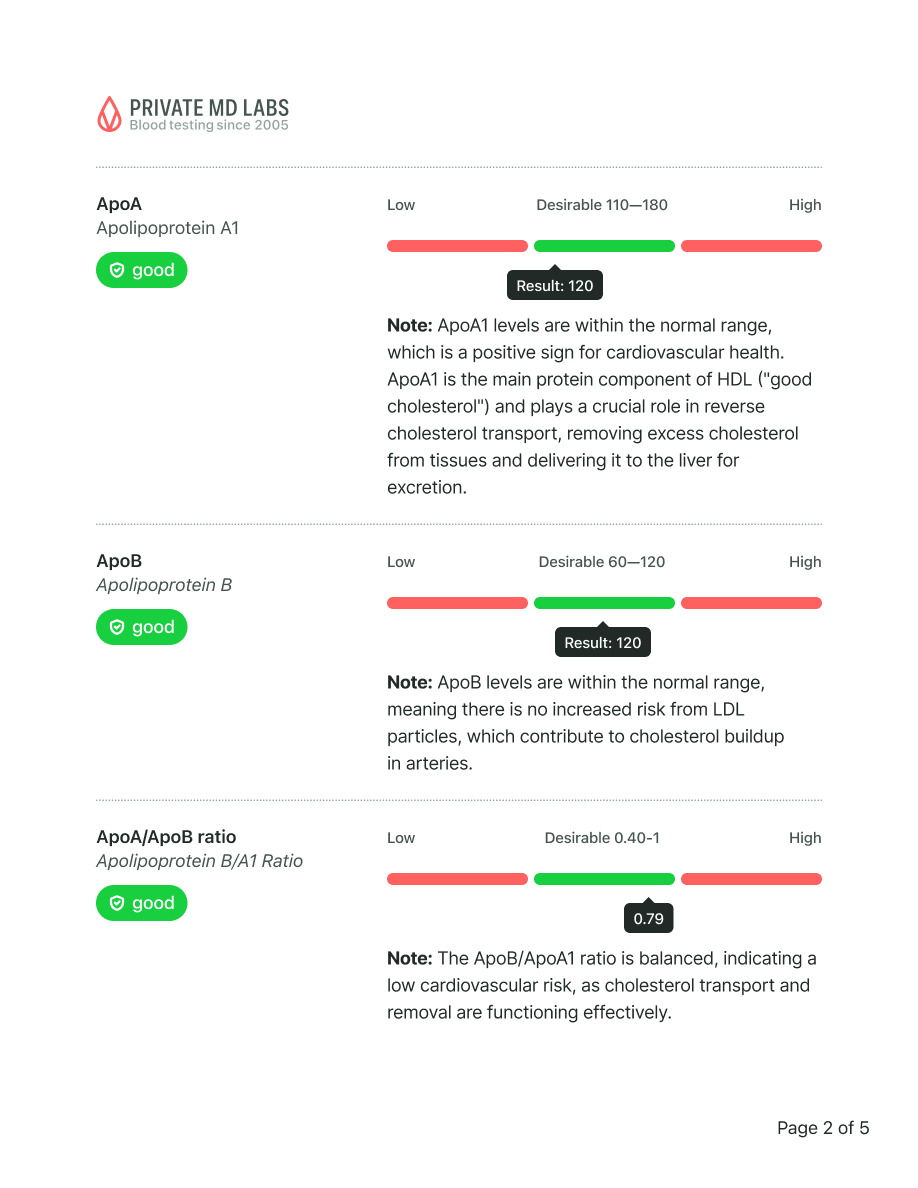
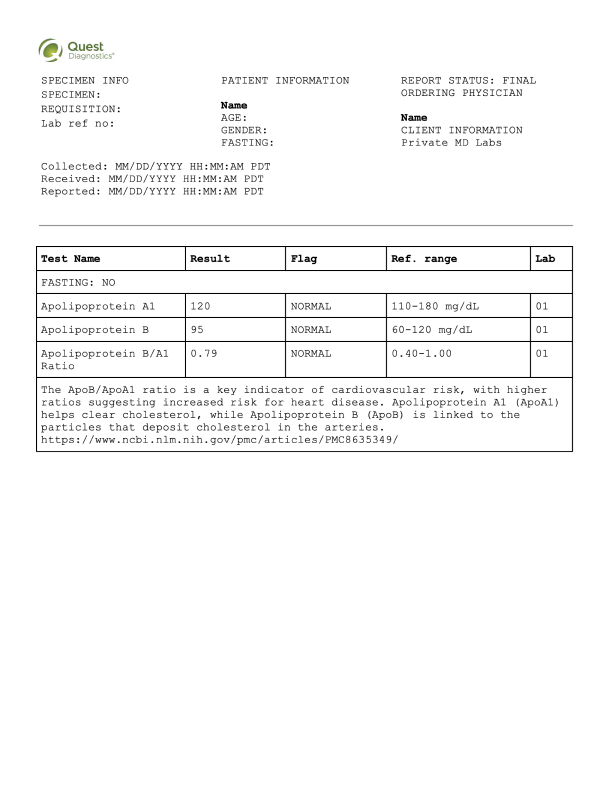
Sample results
Glucose-6-Phosphate Dehydrogenase (G6PD) deficiency is a genetic disorder that affects the ability of red blood cells to function properly. It is caused by mutations in the G6PD gene that result in reduced or absent production of the G6PD enzyme, which protects red blood cells from oxidative damage. The Glucose-6-Phosphate Dehydrogenase Quantitative test is the most important test for diagnosis because it directly measures enzyme activity levels in red blood cells.
G6PD deficiency is caused by mutations in the G6PD gene located on the X chromosome. These genetic mutations result in the body producing insufficient amounts of the glucose-6-phosphate dehydrogenase enzyme, which normally protects red blood cells from damage caused by oxidative stress. Because the gene is on the X chromosome, men are more commonly affected than women, and the condition is inherited from parents who carry the mutated gene.
The Glucose-6-Phosphate Dehydrogenase Quantitative test is the most important test for G6PD deficiency because it directly measures the amount of enzyme activity in your red blood cells. This quantitative blood test can definitively confirm the diagnosis by detecting abnormally low or absent G6PD enzyme levels. The test is especially valuable because it provides a specific measurement of enzyme activity, allowing doctors to determine the severity of the deficiency and help you identify triggers that could cause hemolytic anemia episodes.
You should get tested if you have experienced unexplained episodes of anemia, jaundice, or dark urine after taking certain medications, eating fava beans, or during an infection. Testing is also important if you have a family history of G6PD deficiency, are of Mediterranean, African, Middle Eastern, or Southeast Asian descent, or before starting medications known to trigger hemolytic episodes. Early diagnosis helps you avoid dangerous triggers and prevent potentially life-threatening complications.
What this means
Your testosterone levels are slightly below the optimal range. While this is not necessarily cause for concern, it may contribute to occasional fatigue, reduced motivation, or lower muscle mass over time.
Recommended actions
Increase resistance or strength training
Prioritize 7–8 hours of quality sleep per night, try to reduce stress
Include more zinc- and magnesium-rich foods (like shellfish, beef, pumpkin seeds, spinach)
Consider retesting in 3–6 months
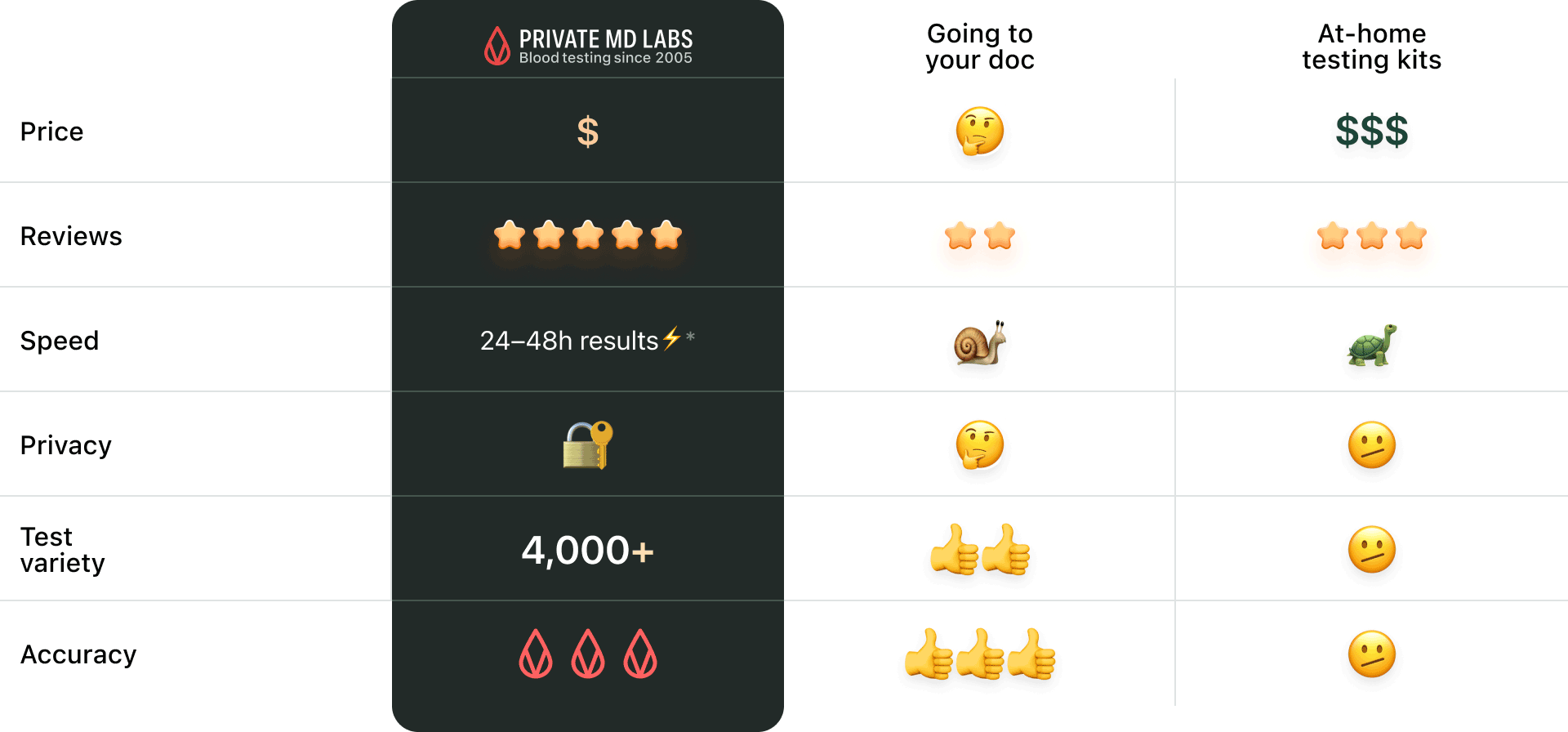
Not overhyped or overpriced. Just comprehensive blood testing made simple and for everyone.
Sample results
Your 24/7 Personal Lab Guide
Quick questions: