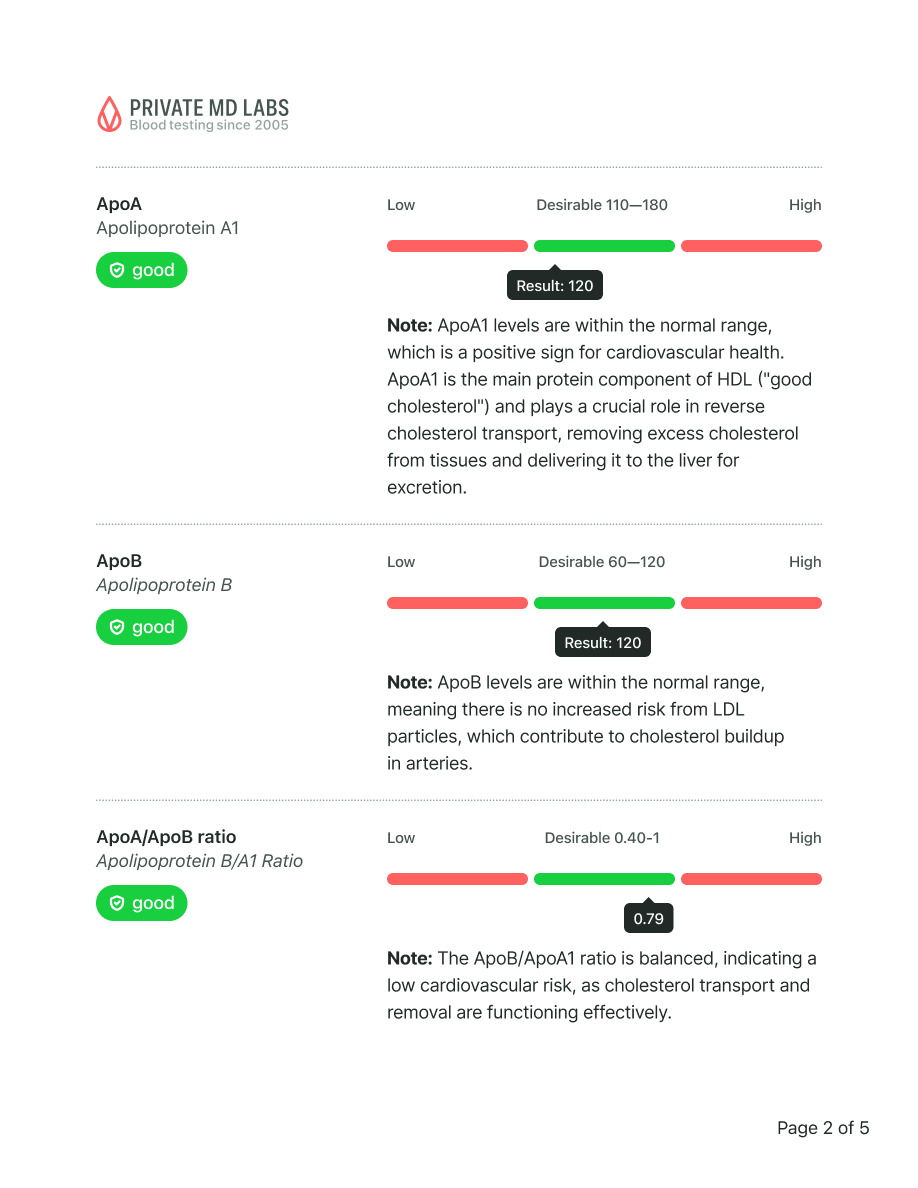
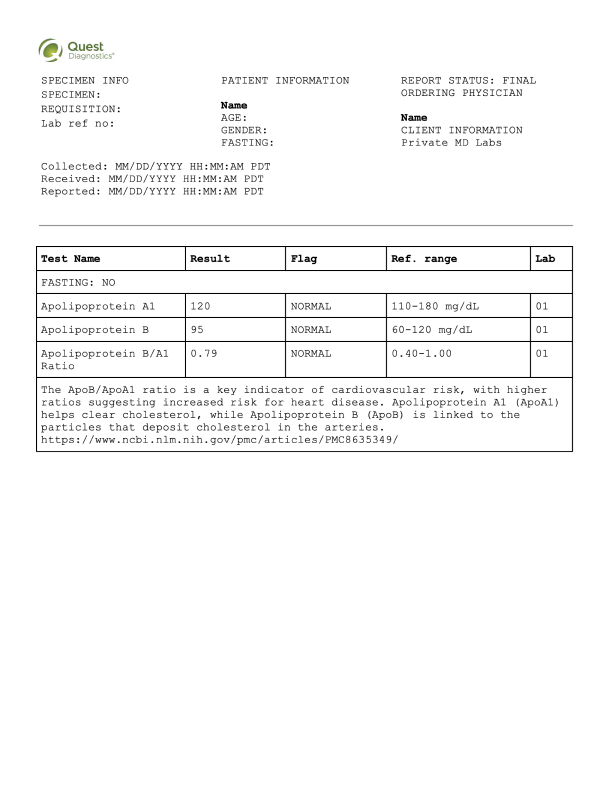
Sample results
Autoimmune pancreatitis is a rare form of chronic pancreatic inflammation where the immune system mistakenly attacks pancreatic tissue. It is caused by the immune system producing antibodies that specifically target pancreatic exocrine cells, leading to organ dysfunction. The Pancreatic Exocrine Cell Antibody test is the most important test for diagnosis.
Autoimmune pancreatitis is caused by the immune system mistakenly attacking the pancreas, producing antibodies that target pancreatic exocrine cells. Unlike typical pancreatitis triggered by gallstones or alcohol, this condition involves an autoimmune response where your body's defense system turns against pancreatic tissue. The exact trigger for this immune dysfunction remains unclear, but it leads to chronic inflammation and potential organ damage that requires different treatment than other forms of pancreatitis.
The Pancreatic Exocrine Cell Antibody test is the most important blood test for autoimmune pancreatitis because it specifically detects antibodies attacking pancreatic tissue. This test identifies the autoimmune component that distinguishes this condition from other pancreatic disorders and pancreatic cancer. The presence of these antibodies, combined with imaging findings and clinical symptoms, provides essential confirmation of the autoimmune nature of the inflammation. This diagnostic information guides treatment decisions, as autoimmune pancreatitis typically responds to immunosuppressive therapy rather than standard pancreatitis treatments.
You should get tested if you experience persistent upper abdominal pain, unexplained weight loss, jaundice with yellowing skin or eyes, or new-onset diabetes without typical risk factors. Testing is especially important if you have other autoimmune conditions or if imaging studies show unusual pancreatic enlargement. Early diagnosis through blood testing helps distinguish autoimmune pancreatitis from pancreatic cancer and other serious conditions, allowing for appropriate immunosuppressive treatment that can prevent permanent pancreatic damage.
What this means
Your testosterone levels are slightly below the optimal range. While this is not necessarily cause for concern, it may contribute to occasional fatigue, reduced motivation, or lower muscle mass over time.
Recommended actions
Increase resistance or strength training
Prioritize 7–8 hours of quality sleep per night, try to reduce stress
Include more zinc- and magnesium-rich foods (like shellfish, beef, pumpkin seeds, spinach)
Consider retesting in 3–6 months
Not overhyped or overpriced. Just comprehensive blood testing made simple and for everyone.
Sample results
Your 24/7 Personal Lab Guide
Quick questions: