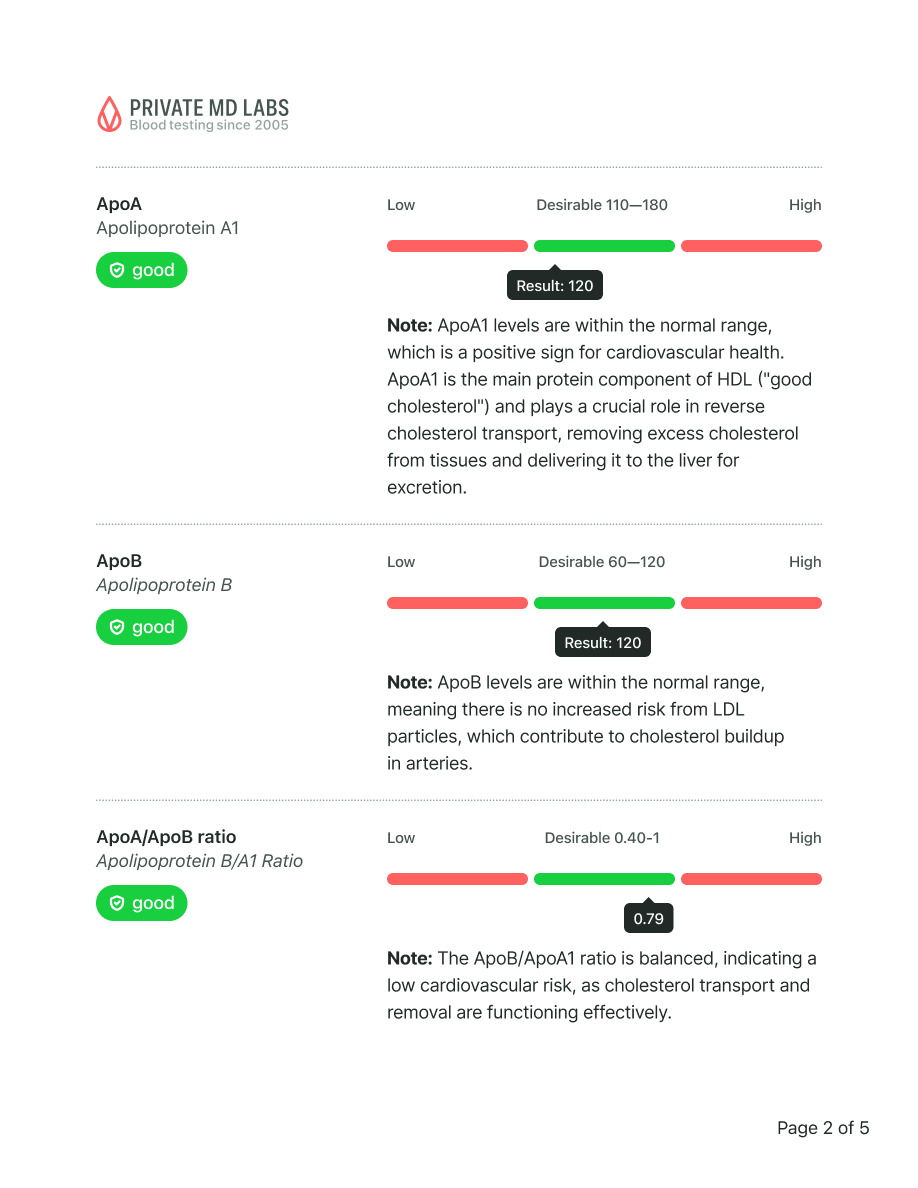
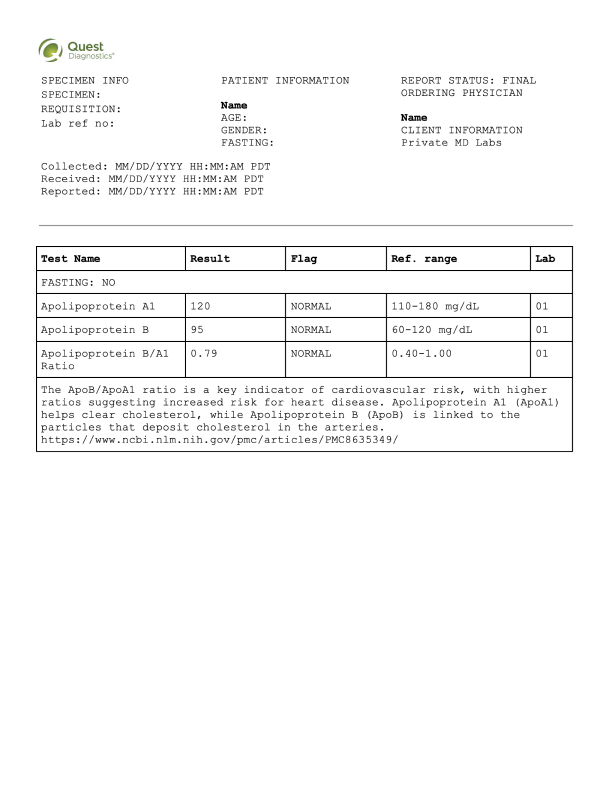
Sample results
Autoimmune Hemolytic Anemia (AIHA) is a rare blood disorder where the immune system produces antibodies that destroy the body's own red blood cells. It is caused by abnormal antibodies that mistakenly target red blood cell surface antigens, leading to premature destruction of healthy red blood cells. The Antibody Screen, RBC with Reflex to Identification, Titer, and Antigen Typing is the most important test for diagnosing AIHA because it identifies the specific antibodies attacking red blood cells.
Autoimmune Hemolytic Anemia is caused by abnormal antibodies produced by the immune system that mistakenly recognize red blood cells as foreign invaders and attack them. These autoantibodies bind to antigens on the surface of red blood cells, marking them for destruction by the spleen and liver. AIHA can develop as a primary condition with no identifiable cause, or as a secondary condition triggered by infections, certain medications like penicillin or cephalosporins, autoimmune diseases such as lupus, lymphomas, or chronic lymphocytic leukemia.
The Antibody Screen, RBC with Reflex to Identification, Titer, and Antigen Typing is the most important test for Autoimmune Hemolytic Anemia because it detects and identifies the specific antibodies attacking your red blood cells. This comprehensive test first screens for the presence of red blood cell antibodies, then automatically performs follow-up testing to identify the exact type of antibody, measure its concentration, and determine which red blood cell antigens are being targeted. This information is essential for distinguishing between warm antibody AIHA and cold antibody AIHA, assessing disease severity, and guiding treatment decisions such as whether corticosteroids, immunosuppressive medications, or other targeted therapies would be most effective.

You should get tested if you experience unexplained fatigue, weakness, shortness of breath, rapid heartbeat, pale or yellowish skin, dark-colored urine, or if routine blood work shows unexplained anemia. Testing is especially important if you have an autoimmune condition like lupus, have recently started new medications, or have been diagnosed with lymphoma or leukemia. Early detection through antibody screening helps prevent serious complications like severe anemia, blood clots, or organ damage from inadequate oxygen delivery.
What this means
Your testosterone levels are slightly below the optimal range. While this is not necessarily cause for concern, it may contribute to occasional fatigue, reduced motivation, or lower muscle mass over time.
Recommended actions
Increase resistance or strength training
Prioritize 7–8 hours of quality sleep per night, try to reduce stress
Include more zinc- and magnesium-rich foods (like shellfish, beef, pumpkin seeds, spinach)
Consider retesting in 3–6 months
Not overhyped or overpriced. Just comprehensive blood testing made simple and for everyone.
Sample results
Your 24/7 Personal Lab Guide
Quick questions: