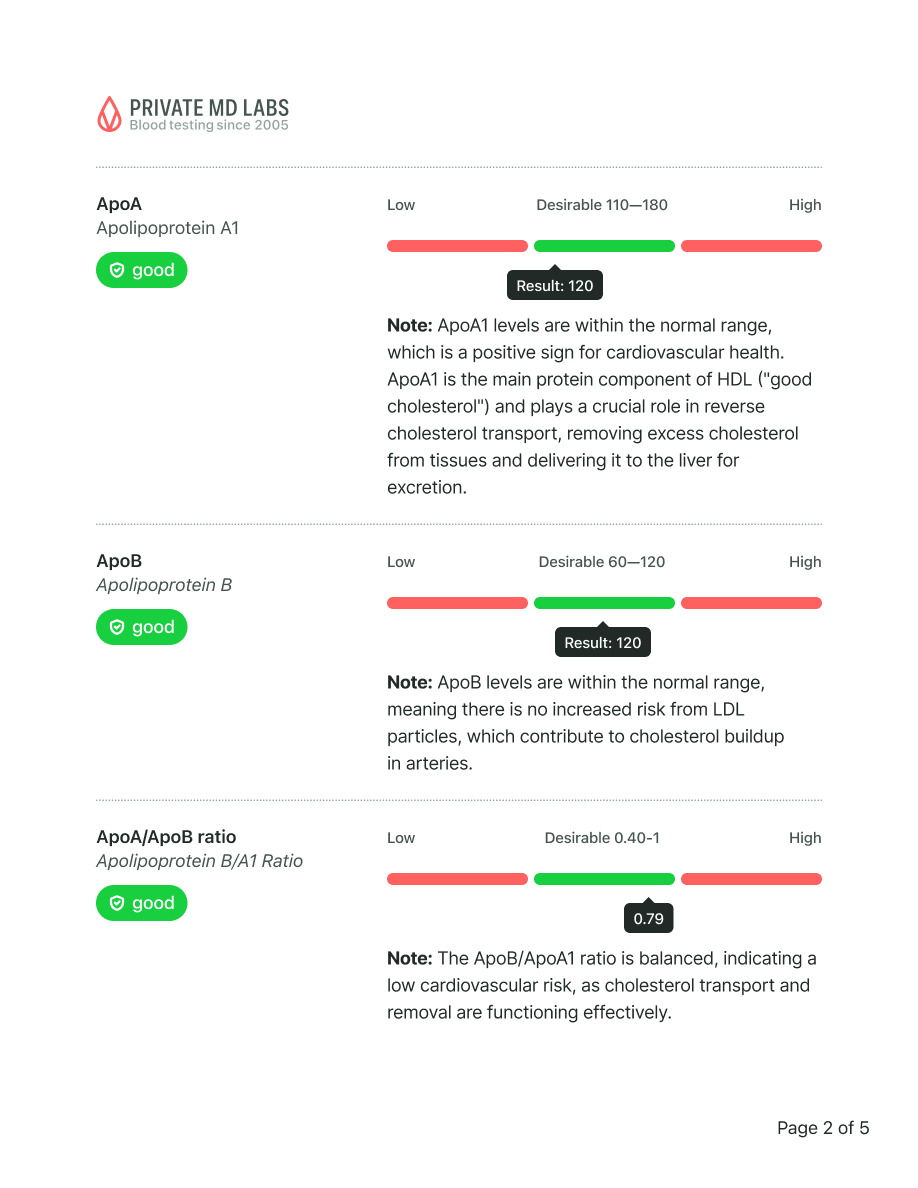
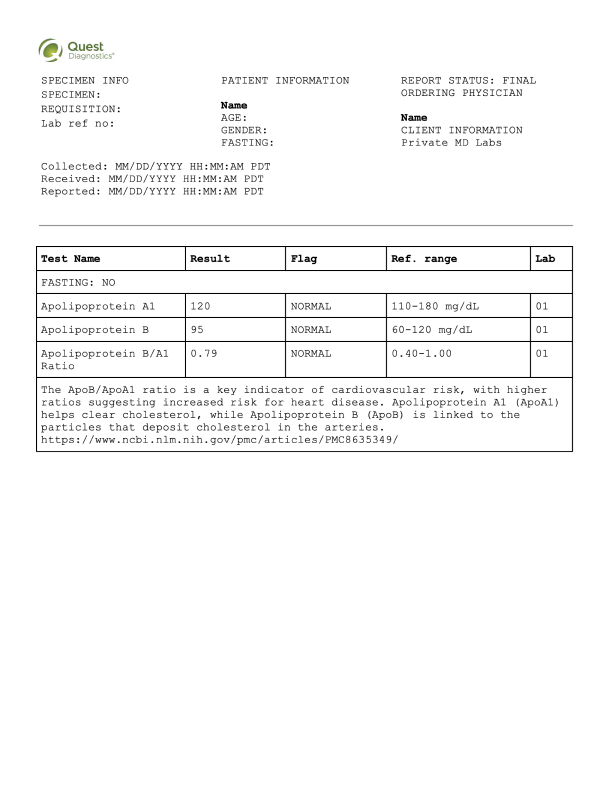
Sample results
Autoimmune gastritis is a chronic inflammatory condition where the immune system mistakenly attacks the stomach lining. It is caused by antibodies that target parietal cells and intrinsic factor, proteins essential for producing stomach acid and absorbing vitamin B12. The Intrinsic Factor Blocking Antibody test is the most important test for diagnosis because it specifically identifies the autoimmune attack that leads to vitamin B12 deficiency.
Autoimmune gastritis is caused by antibodies that attack the stomach lining, specifically targeting parietal cells and intrinsic factor. Parietal cells produce stomach acid and intrinsic factor, a protein necessary for vitamin B12 absorption. When your immune system mistakenly attacks these cells, it leads to chronic inflammation, reduced stomach acid production, and eventually vitamin B12 deficiency and pernicious anemia.
The Intrinsic Factor Blocking Antibody test is the most important test for autoimmune gastritis because it specifically detects antibodies that attack intrinsic factor, the protein needed for vitamin B12 absorption. This test is highly specific for autoimmune gastritis and helps confirm the diagnosis. The Parietal Cell Antibody ELISA is another essential test that identifies antibodies against the stomach cells that produce acid, confirming the autoimmune attack on your stomach lining. Together, these blood tests definitively diagnose autoimmune gastritis and distinguish it from other types of gastritis.
You should get tested if you experience persistent fatigue, weakness, or numbness and tingling in your hands and feet, which are signs of vitamin B12 deficiency. Testing is also important if you have unexplained anemia that does not improve with iron supplements, digestive symptoms like loss of appetite or nausea, or if you have other autoimmune conditions like thyroid disease or type 1 diabetes. Early detection helps prevent serious complications like pernicious anemia and neurological damage from B12 deficiency.
What this means
Your testosterone levels are slightly below the optimal range. While this is not necessarily cause for concern, it may contribute to occasional fatigue, reduced motivation, or lower muscle mass over time.
Recommended actions
Increase resistance or strength training
Prioritize 7–8 hours of quality sleep per night, try to reduce stress
Include more zinc- and magnesium-rich foods (like shellfish, beef, pumpkin seeds, spinach)
Consider retesting in 3–6 months
Not overhyped or overpriced. Just comprehensive blood testing made simple and for everyone.
Sample results
Your 24/7 Personal Lab Guide
Quick questions: