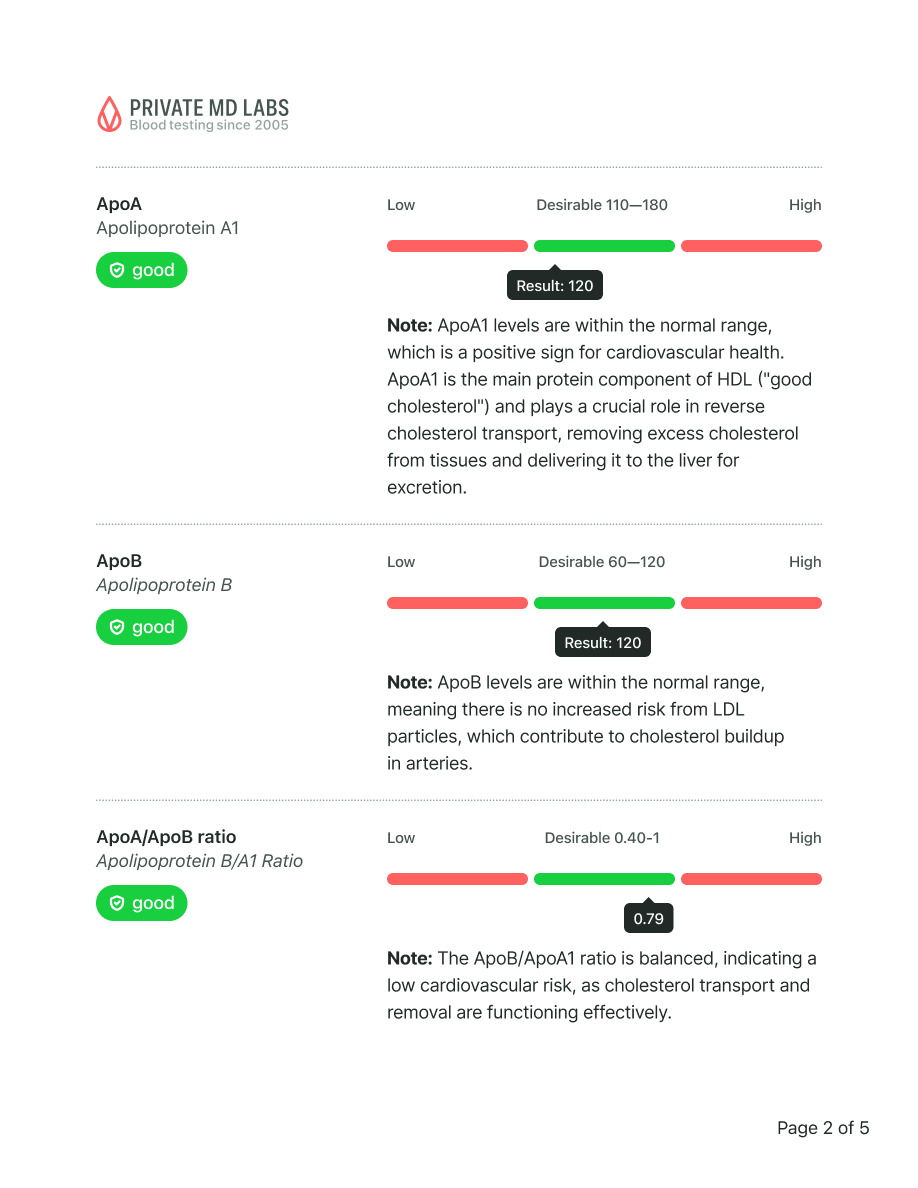
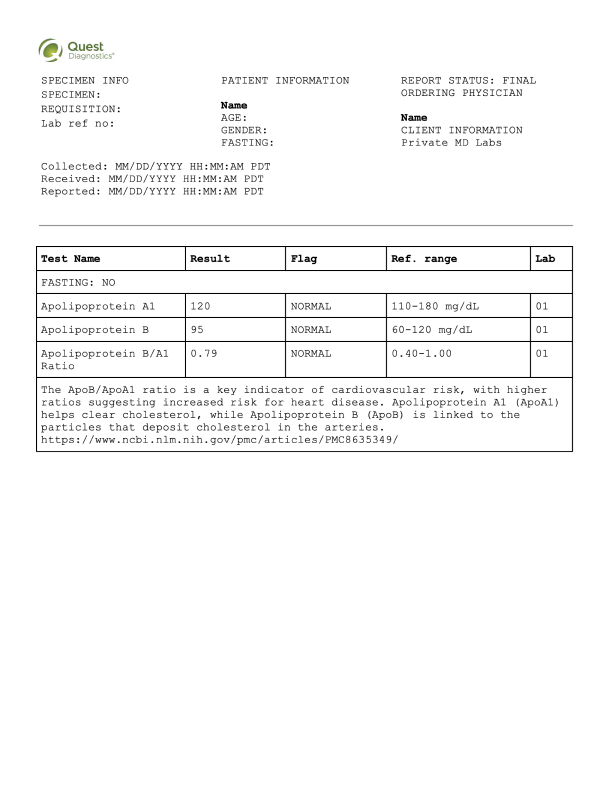
Sample results
Asthma is a chronic respiratory condition characterized by inflammation and narrowing of the airways that makes breathing difficult. It is caused by a combination of genetic factors and environmental triggers including allergens like dust mites, mold spores, pollen, pet dander, and cockroach allergens that provoke immune responses involving IgE antibodies, histamine release, and inflammatory cytokines like Interleukin-4 and Interleukin-17. The Respiratory Allergy Profile is the most important test for asthma because it identifies specific allergens triggering attacks and helps create personalized avoidance strategies.
Asthma is caused by a combination of genetic predisposition and environmental triggers that cause airway inflammation and constriction. Common triggers include allergens like dust mites (Dermatophagoides farinae and Dermatophagoides pteronyssinus), mold spores (Aspergillus fumigatus, Alternaria alternata, Penicillium notatum), pollen from grasses and trees, pet dander from dogs and cats, and cockroach allergens. When you breathe in these triggers, your immune system overreacts by releasing IgE antibodies, histamine, and inflammatory molecules like Interleukin-4 and Interleukin-17, which cause your airways to swell, produce excess mucus, and tighten, making it hard to breathe.

The Respiratory Allergy Profile is the most important test for asthma because it identifies the specific allergens triggering your attacks, allowing you to avoid them and prevent symptoms. These comprehensive regional panels test for common triggers in your area including mold spores like Aspergillus fumigatus and Alternaria alternata, grass pollens like Timothy grass and Bermuda grass, tree pollens, dust mites, and animal dander. Additional essential tests include the Magnesium Serum test, which detects low magnesium levels that can cause airway constriction, and inflammatory marker tests like Interleukin-4 and Histamine Plasma that measure the severity of your immune response. Together, these tests create a complete picture of what triggers your asthma and how severely your body reacts.
You should get tested if you experience recurring episodes of wheezing, chest tightness, shortness of breath, or coughing, especially at night or early morning. Get tested if your symptoms worsen around certain triggers like pets, during specific pollen seasons, in dusty environments, or after exercise. You should also consider testing if you have a family history of asthma or allergies, if over-the-counter treatments are not controlling your symptoms, or if asthma is interfering with your sleep, work, or daily activities. Early identification of your specific triggers through allergy testing allows you to make lifestyle changes and start targeted treatment before your condition worsens.
What this means
Your testosterone levels are slightly below the optimal range. While this is not necessarily cause for concern, it may contribute to occasional fatigue, reduced motivation, or lower muscle mass over time.
Recommended actions
Increase resistance or strength training
Prioritize 7–8 hours of quality sleep per night, try to reduce stress
Include more zinc- and magnesium-rich foods (like shellfish, beef, pumpkin seeds, spinach)
Consider retesting in 3–6 months
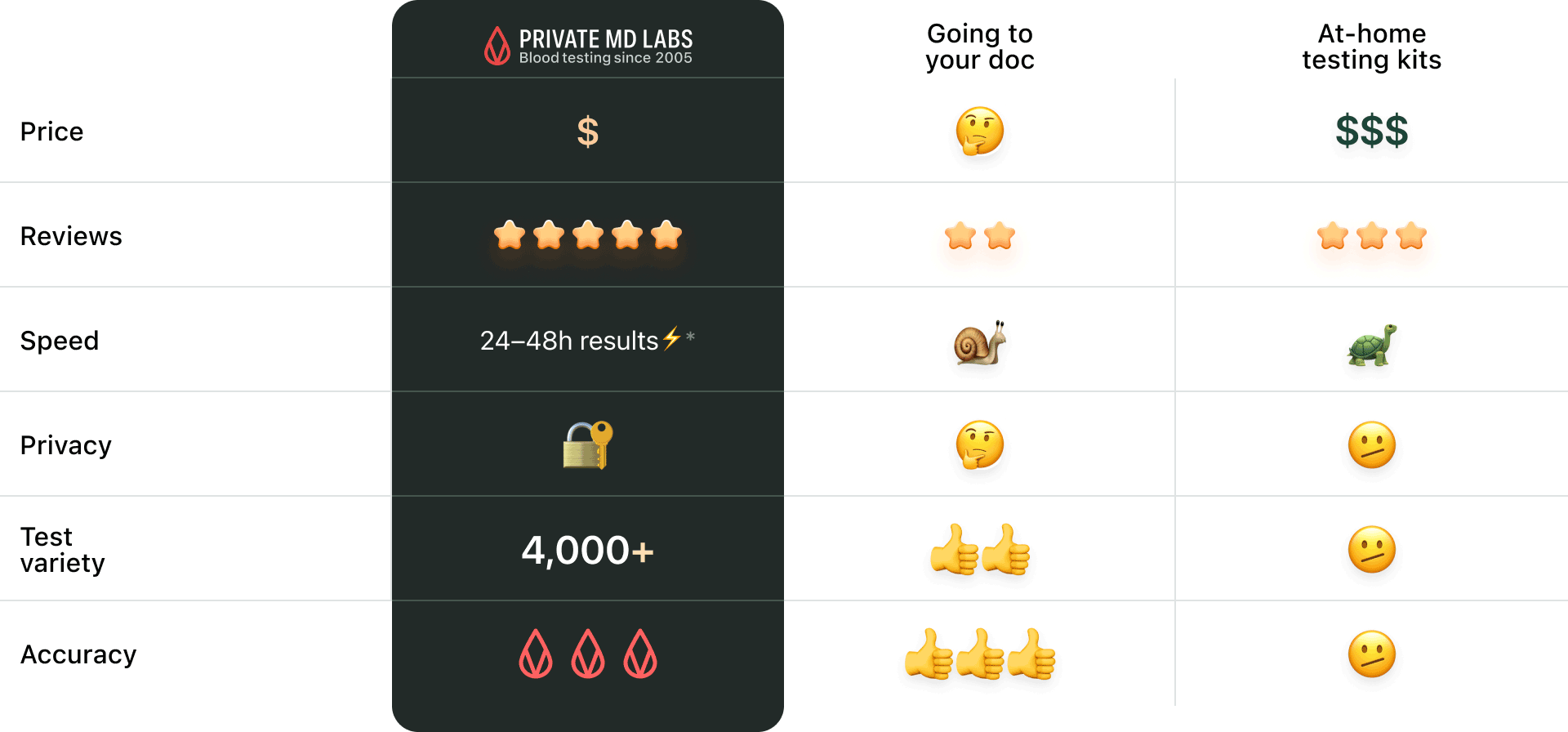
Not overhyped or overpriced. Just comprehensive blood testing made simple and for everyone.
Sample results
Your 24/7 Personal Lab Guide
Quick questions: