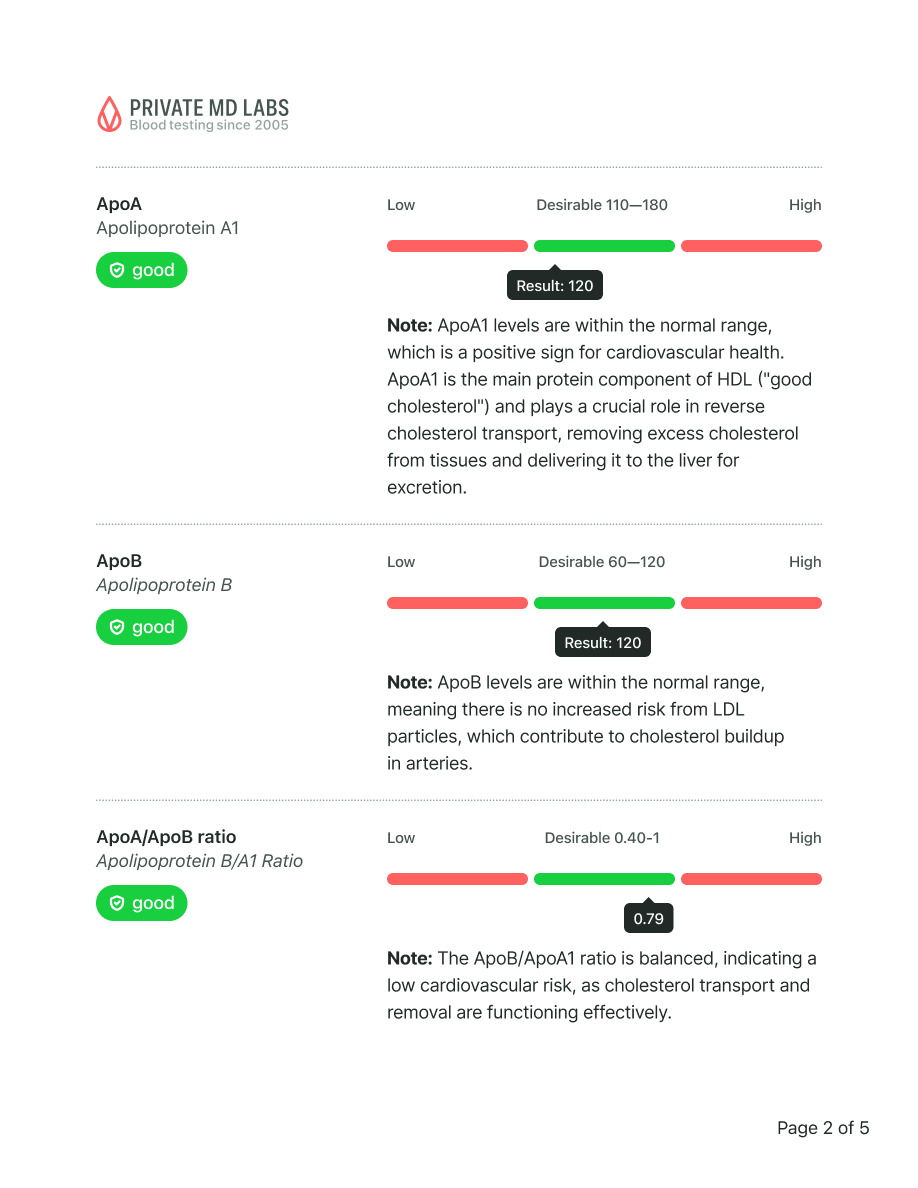
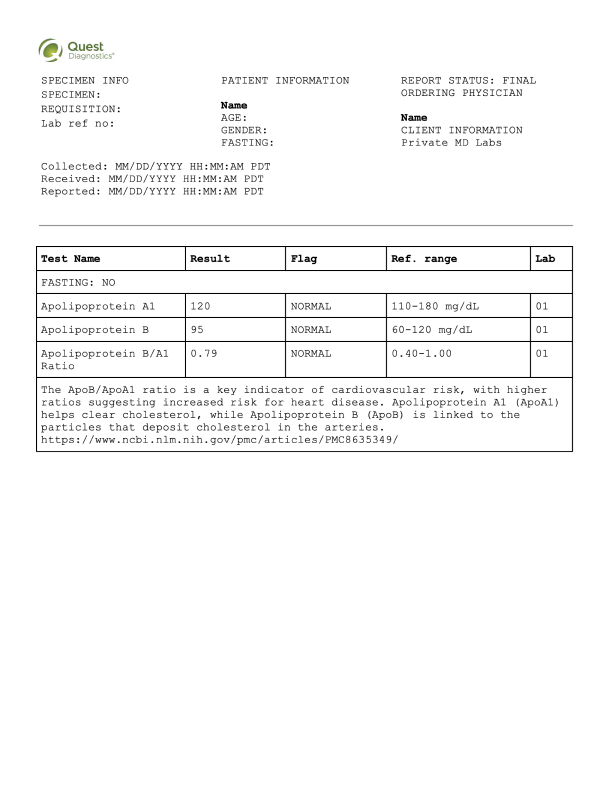
Sample results
Aspirin resistance is a condition where the body does not respond adequately to aspirin's blood-thinning and antiplatelet effects, potentially reducing its protective benefits for cardiovascular health. It is caused by continued platelet aggregation and thromboxane production despite regular aspirin therapy. The AspirinWorks 11-Dehydrothromboxane B2 test is the most important test for diagnosis because it directly measures platelet activity and thromboxane metabolites.
Aspirin resistance is caused by genetic variations, increased platelet turnover, insufficient dosing, and non-compliance with aspirin therapy. Genetic polymorphisms affecting platelet receptors and cyclooxygenase enzymes can reduce aspirin's ability to block thromboxane production. Other factors include interactions with other medications like NSAIDs, inflammation, diabetes, and elevated cholesterol levels that interfere with aspirin's antiplatelet effects.
The AspirinWorks 11-Dehydrothromboxane B2 (11-dhTXB2) with Creatinine test is the most important test for aspirin resistance because it directly measures the metabolite of thromboxane B2, which reflects platelet activity and aggregation. When aspirin works effectively, it blocks thromboxane production and keeps platelet aggregation low. Elevated 11-dhTXB2 levels indicate that platelets continue to produce thromboxane despite aspirin therapy, confirming resistance. The creatinine measurement ensures accurate interpretation by accounting for kidney function, making this the gold standard for detecting whether your aspirin therapy is providing adequate heart protection.
You should get tested if you are taking daily aspirin for heart attack or stroke prevention but have experienced a cardiovascular event while on therapy, have a family history of heart disease despite aspirin use, or your doctor wants to verify that your aspirin regimen is working effectively. Testing is especially important if you have diabetes, high cholesterol, or chronic inflammation, as these conditions can interfere with aspirin's effectiveness and increase your risk of treatment failure.
What this means
Your testosterone levels are slightly below the optimal range. While this is not necessarily cause for concern, it may contribute to occasional fatigue, reduced motivation, or lower muscle mass over time.
Recommended actions
Increase resistance or strength training
Prioritize 7–8 hours of quality sleep per night, try to reduce stress
Include more zinc- and magnesium-rich foods (like shellfish, beef, pumpkin seeds, spinach)
Consider retesting in 3–6 months
Not overhyped or overpriced. Just comprehensive blood testing made simple and for everyone.
Sample results
Your 24/7 Personal Lab Guide
Quick questions: