Anaphylaxis Blood Test & Allergy Testing

What is Anaphylaxis?

Anaphylaxis is a severe, life-threatening allergic reaction that occurs within minutes of exposure to an allergen. It is caused by an overreaction of the immune system, which releases massive amounts of histamine and other chemicals through IgE antibodies. The IgE Blood Test is the most important test for identifying your risk of anaphylaxis because it measures the antibodies directly responsible for triggering severe allergic reactions.

RECOMMENDED TEST IgE
What's included
Fast & easy, results by email & SMS
No extra fees paid at the lab
No need to visit a doctor
Private & confidential
No insurance needed
Results explained
Why Private MD Labs?
90-day money-back guarantee Lab order in minutes Save a trip to the doctor Low prices since 2005 Labs within 2 miles

What causes anaphylaxis?

Anaphylaxis is caused by an extreme overreaction of your immune system to specific allergens such as foods (peanuts, shellfish, tree nuts), insect stings (bees, wasps), medications (penicillin, aspirin), or latex. When you encounter these triggers, your immune system releases massive amounts of histamine and other chemicals into your bloodstream, causing blood pressure to drop suddenly and airways to narrow. This reaction happens rapidly, usually within minutes of exposure, and can affect multiple body systems simultaneously including your skin, breathing, heart rate, and digestive system.

What is the best test for anaphylaxis?

The IgE Blood Test is the most important test for anaphylaxis because it measures immunoglobulin E antibodies that directly trigger severe allergic reactions. This test helps assess your overall risk of anaphylaxis and identifies how reactive your immune system is to allergens. For pinpointing specific triggers, allergen-specific IgE tests are essential, such as the Allergy-Shellfish Panel for seafood allergies or the Allergen Specific IgG Latex test for latex sensitivity. The Histamine, Plasma test is also valuable as it measures histamine levels that spike during anaphylactic reactions, helping confirm episodes and assess their severity. Together, these tests create a comprehensive picture of your allergy profile and help you avoid life-threatening reactions.

When should I get tested for anaphylaxis?

You should get tested if you have experienced a severe allergic reaction with symptoms like difficulty breathing, swelling of the throat or tongue, rapid pulse, dizziness, or loss of consciousness after eating certain foods, getting stung by an insect, or taking medication. Testing is also important if you have had unexplained hives, facial swelling, or digestive distress that came on suddenly and severely. Anyone with a family history of severe allergies, people who work in healthcare settings with latex exposure, or those scheduled for surgery should consider testing to identify potential triggers before a life-threatening situation occurs.

What are the symptoms of anaphylaxis?
Anaphylaxis symptoms appear suddenly and progress rapidly, usually within minutes of allergen exposure. You might experience skin reactions like hives, itching, or flushed skin, along with swelling of your face, lips, tongue, or throat. Breathing becomes difficult with wheezing, chest tightness, and shortness of breath. Your heart may race and you could feel dizzy, lightheaded, or faint due to a sudden drop in blood pressure. Digestive symptoms include nausea, vomiting, diarrhea, and abdominal cramping. A feeling of impending doom or anxiety is also common as your body goes into shock.
Who is at risk for anaphylaxis?
People with existing allergies to foods, insect venom, or medications are at the highest risk for anaphylaxis. Those with asthma or other allergic conditions like eczema or hay fever have increased susceptibility. Family history plays a significant role, as allergic tendencies run in families. Healthcare workers, laboratory technicians, and people who frequently use latex gloves face higher risk of latex-induced anaphylaxis. Children and teenagers are more likely to have food-related anaphylaxis, while adults more commonly experience reactions to medications and insect stings. Anyone who has had a previous anaphylactic reaction is at risk for future episodes.
What happens if anaphylaxis is left untreated?
Untreated anaphylaxis is life-threatening and can lead to death within minutes to hours. Without immediate epinephrine treatment, your blood pressure can drop to dangerously low levels, causing shock and loss of consciousness. Your airways can swell shut, making breathing impossible and leading to respiratory arrest. Your heart may develop irregular rhythms or stop beating altogether. Even if you survive the initial reaction, prolonged oxygen deprivation can cause permanent brain damage. Some people experience biphasic anaphylaxis, where symptoms return hours after the initial reaction seems to resolve, making immediate medical attention and monitoring absolutely critical.
Can anaphylaxis be diagnosed with a blood test?
Anaphylaxis itself is diagnosed clinically based on symptoms during an emergency and cannot be diagnosed with blood tests alone. However, blood testing plays a crucial supporting role by identifying specific allergen triggers and measuring your allergic response potential. The IgE Blood Test measures antibodies responsible for allergic reactions, while allergen-specific IgE tests identify exactly what you are allergic to. The Histamine, Plasma test can confirm an anaphylactic episode if measured during or shortly after a reaction. These tests help create an allergen avoidance plan to prevent future life-threatening reactions.
How is anaphylaxis treated?
Anaphylaxis requires immediate treatment with epinephrine (adrenaline) injected into your thigh muscle, typically using an auto-injector like an EpiPen. Epinephrine quickly reverses symptoms by opening airways, raising blood pressure, and reducing swelling. After epinephrine, you must go to the emergency room for observation and additional treatment, which may include oxygen, intravenous fluids, antihistamines, and corticosteroids. Long-term management involves identifying and avoiding your specific triggers through allergy testing, carrying epinephrine auto-injectors at all times, wearing medical alert identification, and educating family and friends about your condition and how to use your emergency medication.
How can I prevent anaphylaxis?
Prevention starts with identifying your specific allergen triggers through comprehensive allergy testing. Once you know what causes your reactions, strictly avoid those allergens by carefully reading food labels, informing restaurants about your allergies, and avoiding insect-prone areas if you are allergic to stings. Always carry two epinephrine auto-injectors with you and ensure they have not expired. Wear medical alert jewelry that identifies your allergies. Educate family, friends, coworkers, and teachers about your condition and how to recognize symptoms and administer epinephrine. If you have medication allergies, inform all healthcare providers and consider wearing a medical alert bracelet with this information.
What can I do at home for anaphylaxis?
Anaphylaxis is a medical emergency that cannot be safely managed at home without immediate epinephrine administration and emergency medical care. If you experience symptoms of anaphylaxis, immediately use your epinephrine auto-injector and call 911, even if symptoms seem to improve. Lie down with your legs elevated to help maintain blood pressure, unless you are vomiting or having trouble breathing, in which case sit up. Never attempt to drive yourself to the hospital. While waiting for emergency responders, have someone stay with you to monitor your condition. After the emergency, work with an allergist to identify your triggers through blood testing and develop a comprehensive management plan.
How’s this work?
Getting your blood test with us is easy, private & backed by the power of science.

Long story short:
  1. In the test options, use the filters or search box to narrow your choices and find the test you want.
  2. If you need a hand navigating through options, text our super friendly support team at 754-799-7833, and we'll provide tailored suggestions to help you find the ideal test.
  3. Once your order is placed, we’ll create your doctor’s lab order remotely, without any need for you to make a trip to a doctor in person or to talk to the doctor. Expect to receive your doctor’s lab order right in your inbox. It will also be in your patient portal if you need to find it later. We’ll also include instructions regarding fasting and other requirements for your test. Your patient portal will be auto-created hassle-free during checkout.
  4. If this is your first time ordering, you'll be prompted to create a password for instant login access to your patient portal. It's a quick way to conveniently access your orders and results whenever you want.
  5. When you’re ready, visit one of our 4,000 locations. Just bring your ID – no printing or faxing of your lab order is needed, as your order and details will already be in the lab system.
  6. Note that most lab locations don’t accept walk-ins, so it’s best to book an appointment in advance. Don’t worry – we’ll provide detailed instructions along the way.
  7. You’ll get your results via email & SMS and dive into understanding your body better. Yup, that easy!
  8. If you have any questions, please text us at 754-799-7833 or email support@privatemdlabs.com and we'll gladly help you.
How do I know which test to get?
In the test options, find the test you want. If you’re not sure which test to get, we can lend a hand in finding the right option.

Just text or call us at 754-799-7833, email us at support@privatemdlabs.com, and we'll gladly help you. We've got your back and reply quickly.
Is it possible to make changes to my lab order if I made a mistake with the name, date of birth, or any other details?
Absolutely! We totally understand that errors can happen. No worries, we're here to help you.

Just reach out to us via text at 754-799-7833 or shoot us an email at support@privatemdlabs.com. Remember to include your order number and let us know the correct information you’d like to update. Our awesome team will jump right in and make sure everything is sorted out and accurate for you.

There are no changes necessary if your address is wrong on the requisition though. We don’t mail anything out.

Our lab requires an address to be listed to generate an order.
Do you accept health insurance?
Only HSA & FSA is accepted.

Our services are strictly self-pay and cannot be submitted to your health insurance provider except for Health Savings Accounts or Flexible Savings Accounts.

This policy applies to all insurance companies, including federal health insurance programs like Medicare.

If you have any questions, please text us at 754-799-7833 or email support@privatemdlabs.com.
Can I cancel my order?
Yes.

We get it – sometimes your needs change.

As long as your samples haven’t been collected yet, we’re happy to help you cancel your order.

If you have any further questions, please text us at 754-799-7833 or email support@privatemdlabs.com.

You can read more about our cancellation policy here.
How can I find a lab location near me?
During the ordering process, you’ll be able to select a specific lab near you, with no strings attached! You can switch it up later easily and visit any of our authorized locations as long as it’s the same lab company you selected your test for (Quest Diagnostics or Labcorp).

Before you proceed with your order, feel free to browse through all our lab locations here. This will give you the peace of mind of knowing that there's a lab nearby your home, office or your favorite gym.

If you have any questions, please text us at 754-799-7833 or email support@privatemdlabs.com and we'll gladly help you.
Here’s how easy it is to get blood work done on your terms
Choose a checkup
Order your test Save a trip to the doctor. Your results will come with clear, friendly explanations. Takes 2 minutes
Book a lab
Book an appointment Visit any of our 4,000 nearby lab locations to have your samples collected. Book or walk-in
Choose a checkup
Get results Receive a clear, easy-to-digest health report by email & SMS within a few business days. Get answers, fast

Here’s why 1,000,000+ customers chose us for affordable hassle-free private blood testing.

You get clinical lab reports & simplified health insights.
Save time & gas, go straight to the lab. Our doctors cover the rest.
Results start landing the next day after your lab visit.*
We don’t sell or share your data. Your time & privacy matter.
US-licensed doctors have your back if things get unclear.
No hidden fees, nice discounts for regular checkups.
Save a trip to the doctor, go directly to the lab
Instant orders, results often overnight*
Results explained in simple language
Reviewed by US licensed doctors
Fast & confidential, we never sell or share your data
No insurance needed, transparent pricing
Demo results
Testosterone 375 ng/dL
Demo results
Normal Optimal 400 - 1000 High
375 ng/dL

What this means

Your testosterone levels are slightly below the optimal range. While this is not necessarily cause for concern, it may contribute to occasional fatigue, reduced motivation, or lower muscle mass over time.

* Regular blood test results (e.g., CBC) typically start arriving the next business day after sample collection. More complex tests, such as hormone panels, may take up to 10–15 business days due to their complexity.

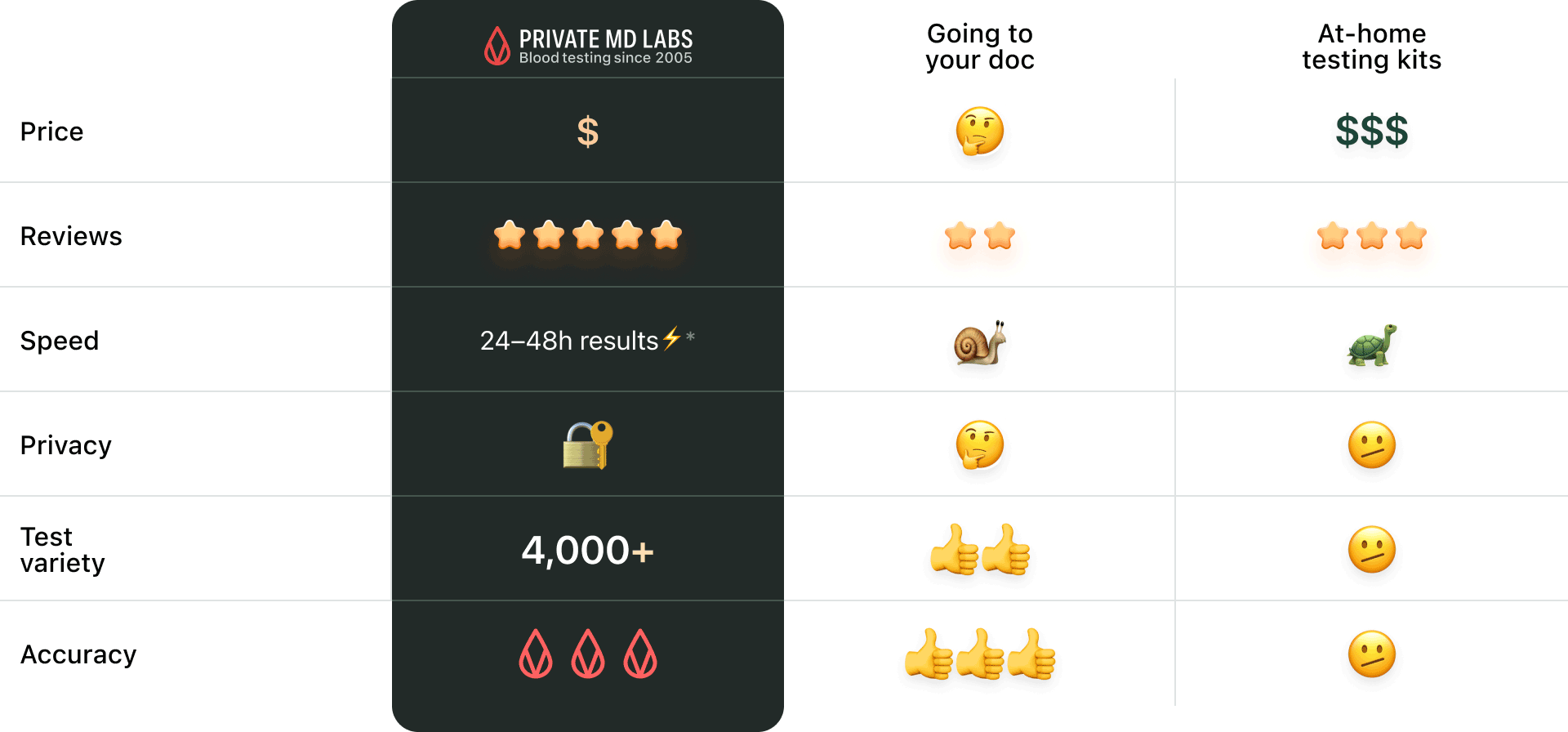
Us vs. Them

Not overhyped or overpriced. Just comprehensive blood testing made simple and for everyone.

* Regular blood test results (e.g., CBC) typically start arriving the next business day after sample collection. More complex tests, such as hormone panels, may take up to 10–15 business days due to their complexity.

1,000,000+ blood tests later, here's what our customers say

Google reviews 505 reviews Next
IgE
What's included
Fast & easy, results by email & SMS
No need to visit a doctor
Private & confidential
No insurance needed
Results explained
No extra fees paid at the lab

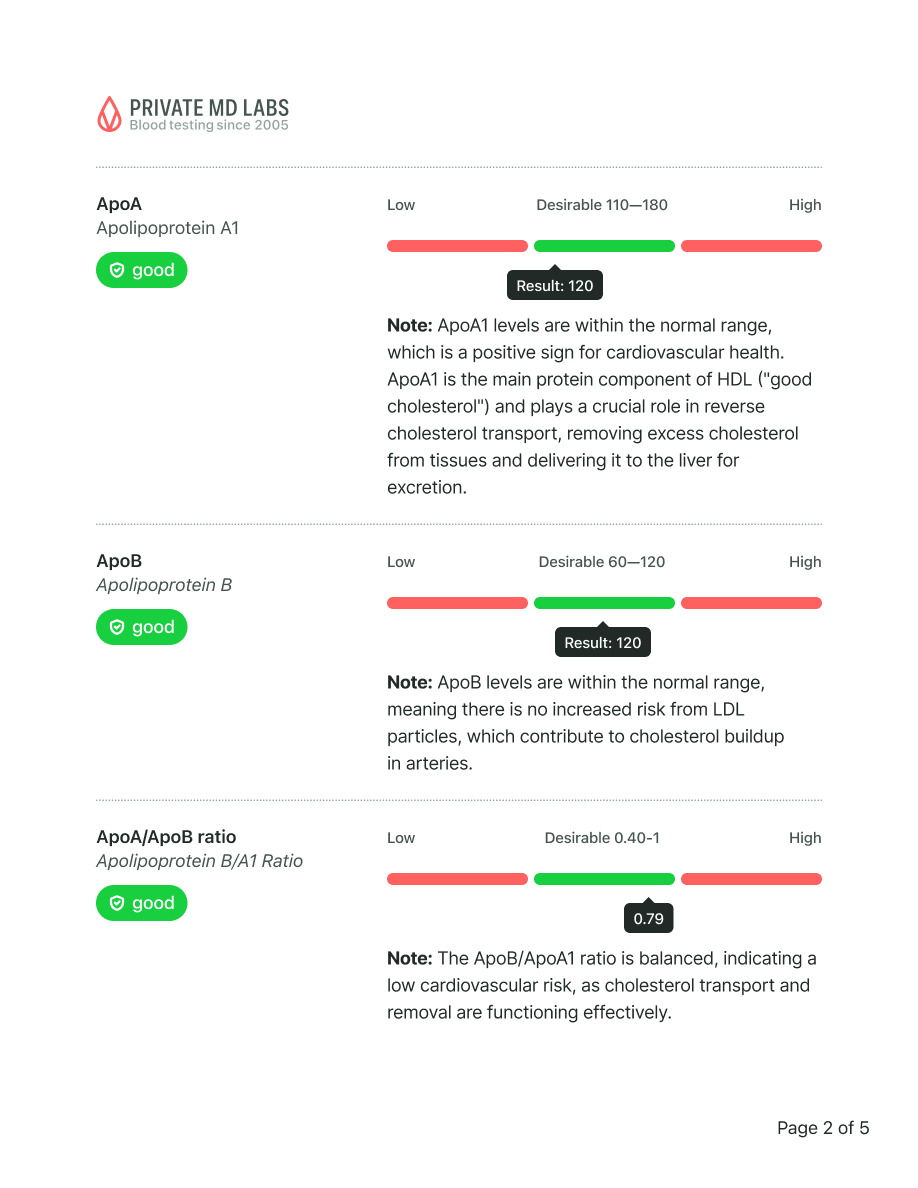
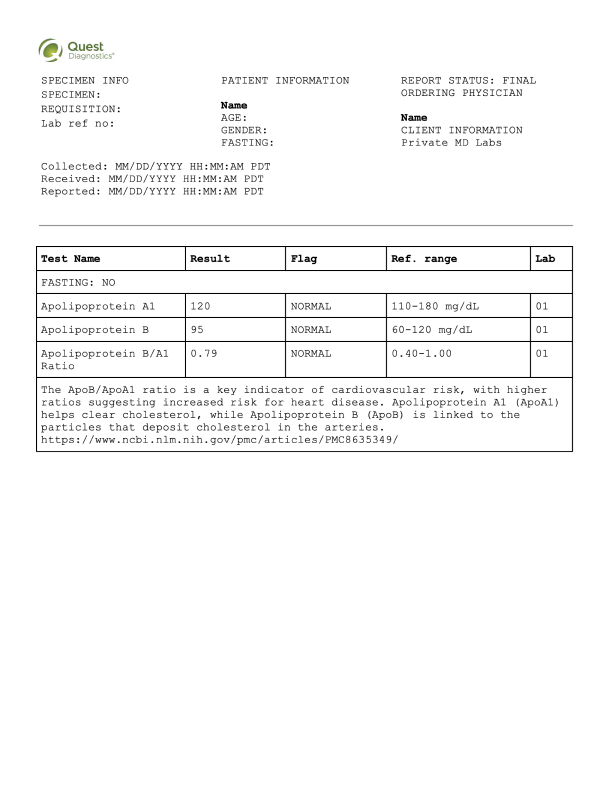
Sample results

Sample image
For you & your coach Health insights Written in human language, backed by science.
Sample image
For you & your doc Classic lab report A familiar and comprehensive lab report.

Ask Me Anything

Your 24/7 Personal Lab Guide

Quick questions:

Which test is right for my symptoms?
What could be causing this?
When should I get tested?
A

Hi, I'm here to make labs simple, clear, and stress-free. Not sure where to start? That's okay. Tell me what's going on and I'll guide you from there.

I can help you:

  • choose the right test
  • prepare for your lab visit
  • take the next step with confidence and more
Just now
A
Not finding what you need? Text 754-799-7833, we've got you.
We provide helpful guidance, not medical diagnoses. For medical decisions, consult a licensed professional.