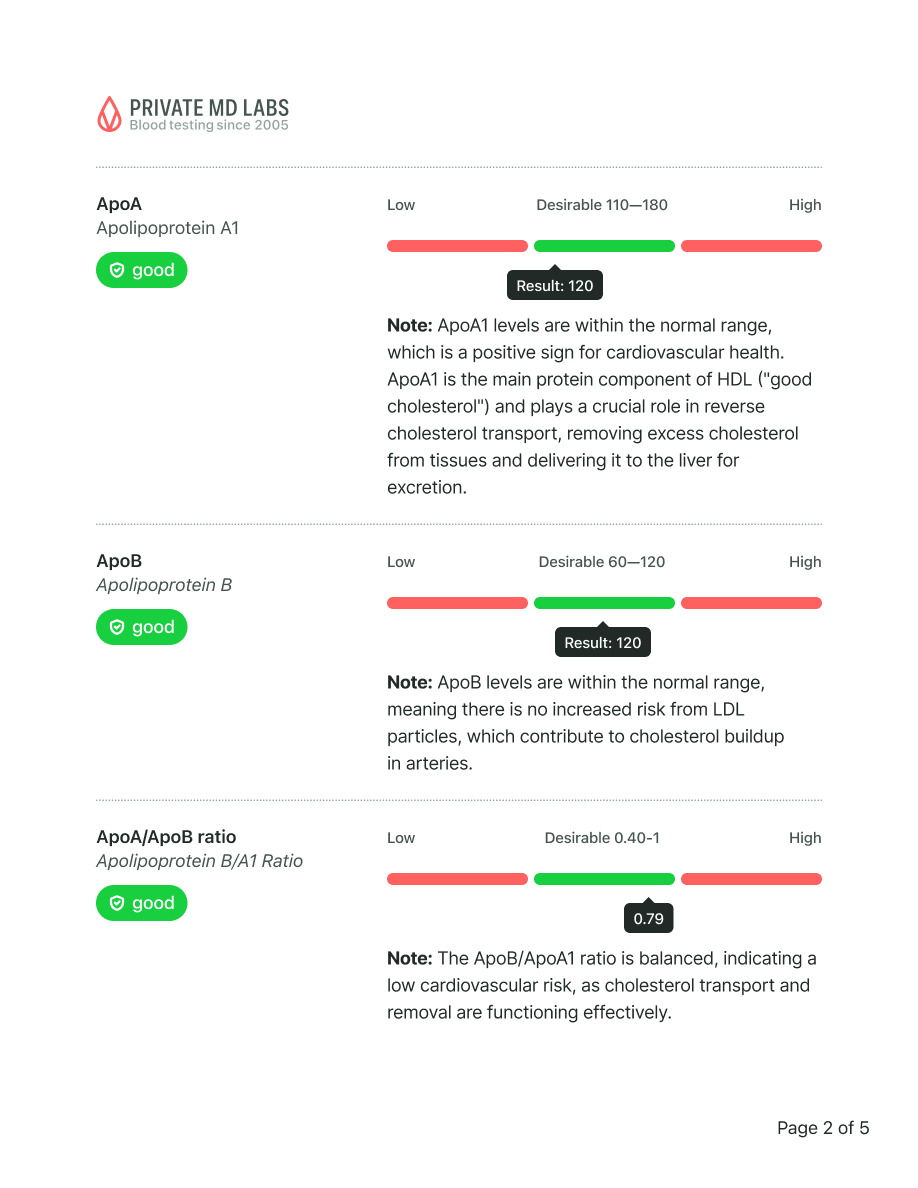
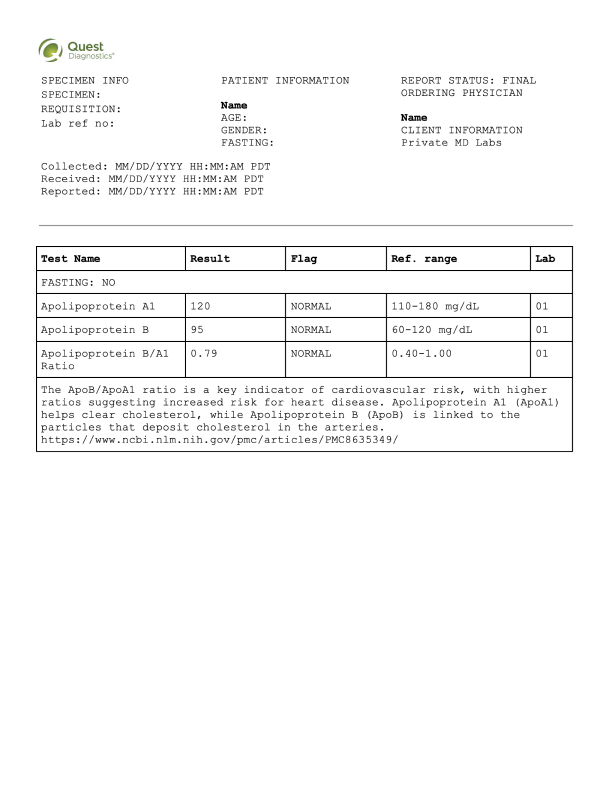
Sample results
Amylase deficiency is a rare genetic disorder that prevents the body from producing sufficient amylase enzyme needed to break down starches and carbohydrates during digestion. It is caused by genetic mutations that impair the production of pancreatic and salivary amylase enzymes. The Amylase, Serum test is the most important test for diagnosis because it directly measures enzyme levels in the blood.
Amylase deficiency is caused by genetic mutations that affect the genes responsible for producing amylase enzymes in the pancreas and salivary glands. These inherited mutations prevent the body from manufacturing adequate amounts of pancreatic amylase and salivary amylase, which are essential for breaking down complex carbohydrates and starches into simple sugars. The condition is typically passed down through families in an autosomal recessive pattern, meaning a person must inherit the defective gene from both parents to develop the disorder.
The Amylase, Serum test is the most important test for amylase deficiency because it directly measures the concentration of amylase enzyme in your bloodstream. This blood test can detect abnormally low or absent amylase levels, which confirms the diagnosis of this rare genetic condition. Normal amylase levels typically range from 30 to 110 units per liter, so significantly reduced levels indicate enzyme deficiency. Your healthcare provider may also order additional pancreatic function tests to assess the severity of the deficiency and its impact on your digestive system, but the serum amylase test remains the primary diagnostic tool.
You should get tested if you experience persistent digestive problems such as chronic diarrhea, bloating, gas, or abdominal discomfort after eating starchy foods like bread, pasta, rice, or potatoes. Testing is especially important if you have a family history of digestive enzyme deficiencies or if you have unexplained weight loss and nutrient absorption problems despite eating normally. Children who show signs of failure to thrive or developmental delays along with digestive symptoms should also be evaluated, as early diagnosis allows for proper dietary management and enzyme supplementation.
What this means
Your testosterone levels are slightly below the optimal range. While this is not necessarily cause for concern, it may contribute to occasional fatigue, reduced motivation, or lower muscle mass over time.
Recommended actions
Increase resistance or strength training
Prioritize 7–8 hours of quality sleep per night, try to reduce stress
Include more zinc- and magnesium-rich foods (like shellfish, beef, pumpkin seeds, spinach)
Consider retesting in 3–6 months
Not overhyped or overpriced. Just comprehensive blood testing made simple and for everyone.
Sample results
Your 24/7 Personal Lab Guide
Quick questions: