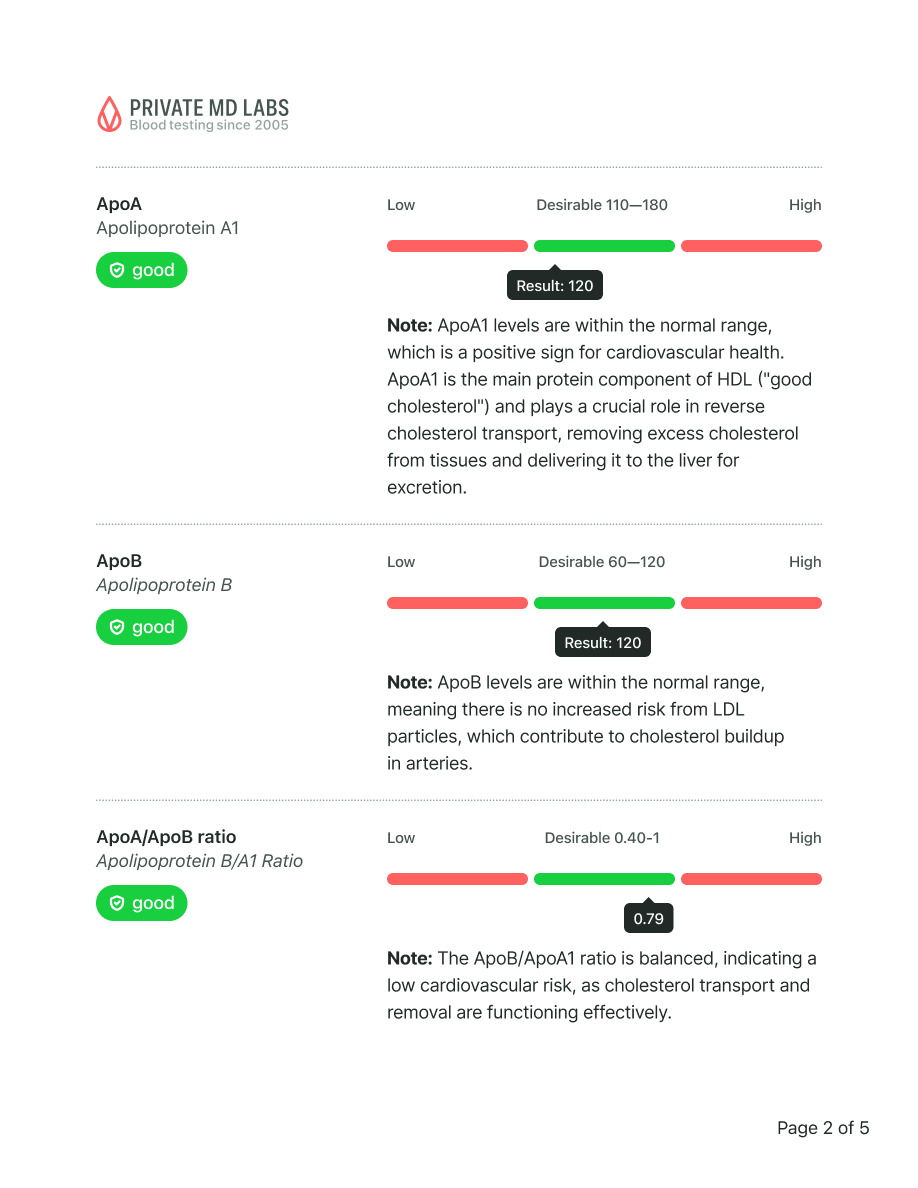
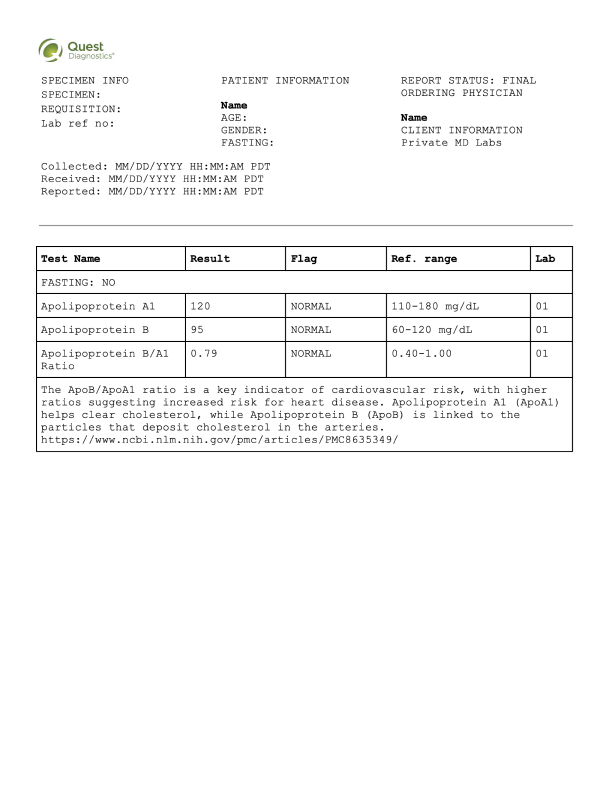
Sample results
Allergic Fungal Rhinosinusitis (AFRS) is a chronic inflammatory condition of the sinuses caused by an immune system overreaction to fungal allergens. It is caused by elevated IgE antibodies responding to specific fungi like Fusarium solani, leading to chronic sinus inflammation, nasal polyps, and thick mucus. The Allergen Specific IgE Fusarium solani test is the most important test for identifying the fungal trigger responsible for AFRS symptoms.
Allergic Fungal Rhinosinusitis is caused by an overactive immune response to specific fungal allergens, most commonly Fusarium solani, Aspergillus, Bipolaris, and Curvularia species. When you breathe in these fungal spores, your immune system produces excessive IgE antibodies that trigger intense inflammation in your sinuses. This allergic reaction leads to thick, discolored mucus, nasal polyps, and chronic sinus blockage that distinguishes AFRS from regular sinus infections.
The Allergen Specific IgE Fusarium solani test is the most important blood test for Allergic Fungal Rhinosinusitis because it detects elevated IgE antibodies against Fusarium solani, one of the primary fungal triggers. This test confirms whether your immune system is overreacting to this specific fungus, which helps your doctor identify the exact cause of your chronic sinus inflammation. While AFRS diagnosis also requires imaging and clinical examination, this blood test is essential for pinpointing the allergic component and guiding treatment decisions like antifungal therapy or immunotherapy.
You should get tested if you have chronic sinus problems that do not improve with regular antibiotics, especially if you notice thick, dark-colored mucus or have nasal polyps. Testing is particularly important if you have a history of asthma or other allergies and experience recurring sinus infections, facial pressure, decreased sense of smell, or congestion lasting more than 12 weeks. Getting tested early helps identify the fungal trigger and prevents long-term complications like bone erosion or vision problems.
What this means
Your testosterone levels are slightly below the optimal range. While this is not necessarily cause for concern, it may contribute to occasional fatigue, reduced motivation, or lower muscle mass over time.
Recommended actions
Increase resistance or strength training
Prioritize 7–8 hours of quality sleep per night, try to reduce stress
Include more zinc- and magnesium-rich foods (like shellfish, beef, pumpkin seeds, spinach)
Consider retesting in 3–6 months
Not overhyped or overpriced. Just comprehensive blood testing made simple and for everyone.
Sample results
Your 24/7 Personal Lab Guide
Quick questions: