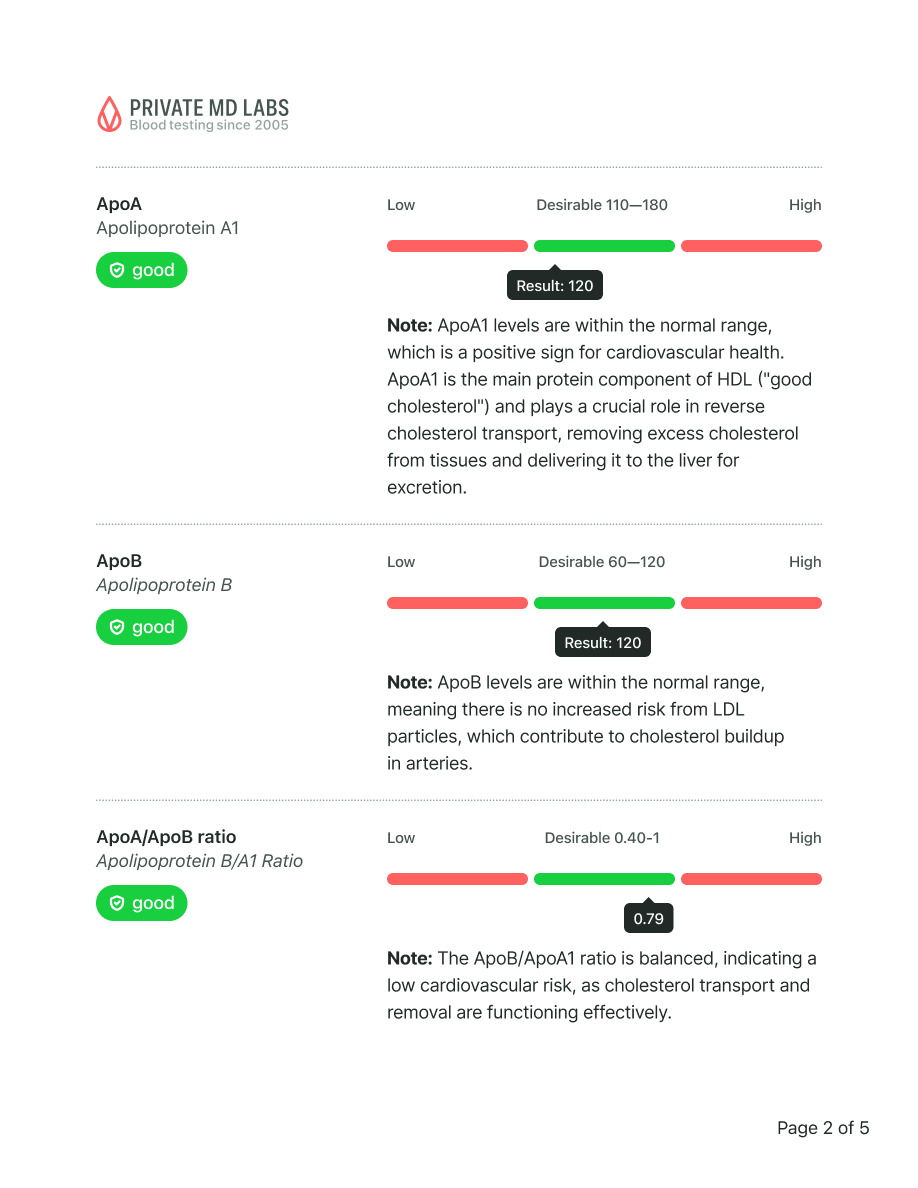
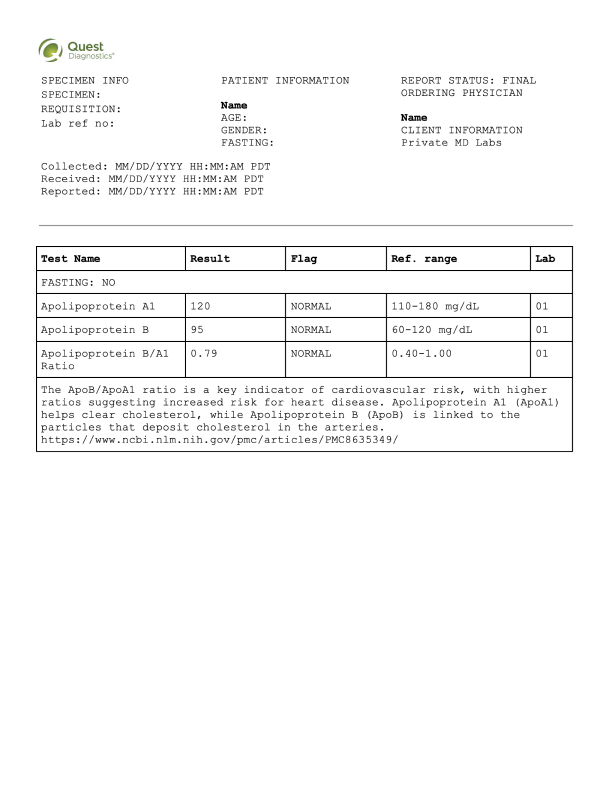
Sample results
Allergic conjunctivitis is an inflammatory condition of the eye's conjunctiva that causes red, itchy, and watery eyes. It is caused by exposure to environmental allergens such as pollen, dust mites, pet dander, and mold spores that trigger an immune response. The Respiratory Allergy Profile Region XI is the most important test for diagnosis because it identifies specific allergens responsible for triggering your eye symptoms.
Allergic conjunctivitis is caused by environmental allergens such as pollen (from trees, grasses, and weeds), dust mites, pet dander, and mold spores. When these allergens come into contact with your eyes, your immune system releases histamine and other inflammatory chemicals that cause the conjunctiva (the clear membrane covering the white part of your eye) to become inflamed. This immune response leads to the characteristic symptoms of red, itchy, watery, and swollen eyes that worsen during high pollen seasons or after exposure to specific triggers.
The Respiratory Allergy Profile Region XI is the most important test for allergic conjunctivitis because it identifies the specific environmental allergens triggering your eye symptoms. This comprehensive blood test measures IgE antibodies to regional allergens including alder pollen, various tree pollens, grasses, weeds, dust mites, mold spores, and pet dander. Unlike general allergy tests, this panel is tailored to allergens common in mountainous regions of Arizona, Colorado, Idaho, Montana, New Mexico, Utah, and Wyoming. By pinpointing your exact triggers, your healthcare provider can develop a targeted treatment plan including specific avoidance strategies, immunotherapy options, and appropriate medications to prevent future flare-ups.

You should get tested if you experience recurring episodes of red, itchy, watery eyes that worsen during certain seasons or after exposure to specific environments like being outdoors, around pets, or in dusty areas. Testing is especially important if over-the-counter antihistamine eye drops provide only temporary relief, if your symptoms interfere with daily activities or work, or if you want to identify your specific triggers before starting immunotherapy (allergy shots). Early identification of your allergen triggers allows you to take preventive measures and receive targeted treatment before symptoms become severe or chronic.
What this means
Your testosterone levels are slightly below the optimal range. While this is not necessarily cause for concern, it may contribute to occasional fatigue, reduced motivation, or lower muscle mass over time.
Recommended actions
Increase resistance or strength training
Prioritize 7–8 hours of quality sleep per night, try to reduce stress
Include more zinc- and magnesium-rich foods (like shellfish, beef, pumpkin seeds, spinach)
Consider retesting in 3–6 months
Not overhyped or overpriced. Just comprehensive blood testing made simple and for everyone.
Sample results
Your 24/7 Personal Lab Guide
Quick questions: