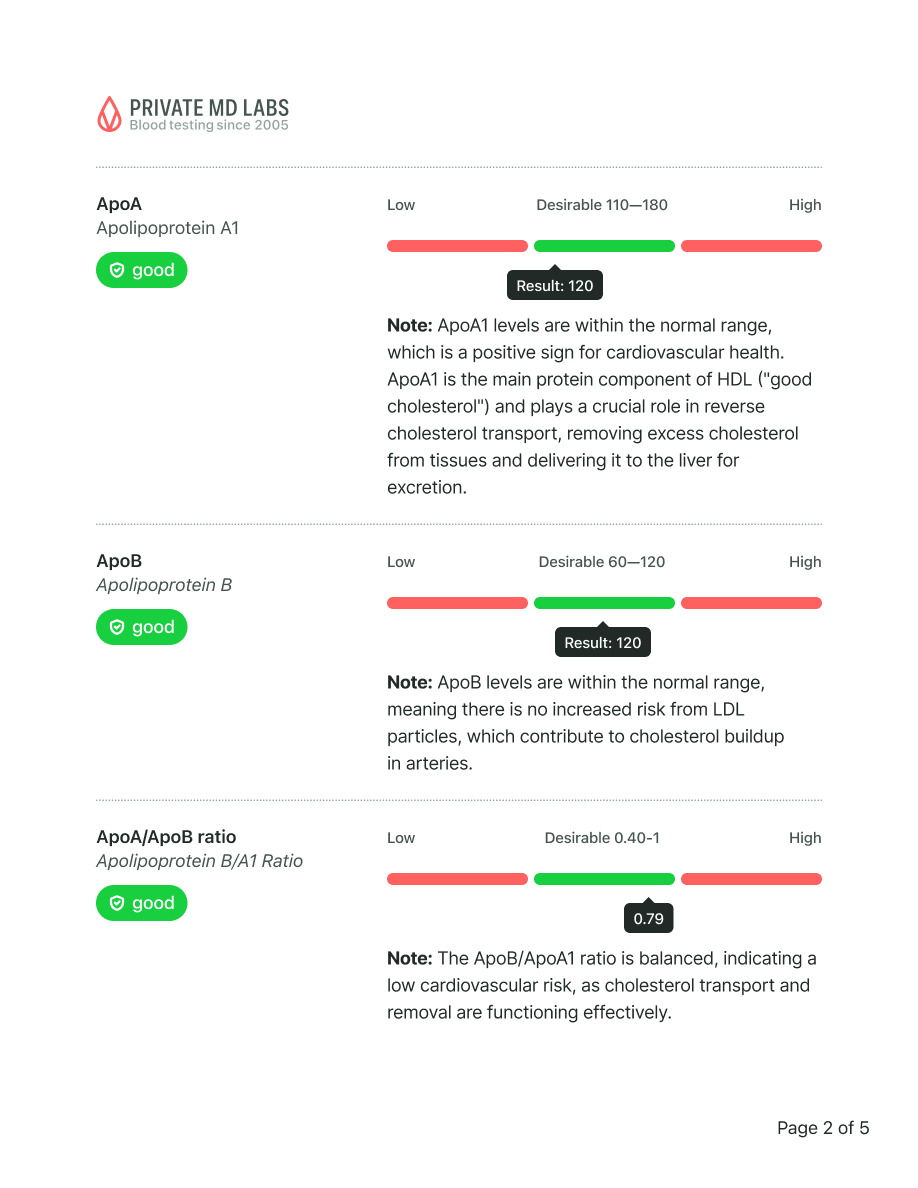
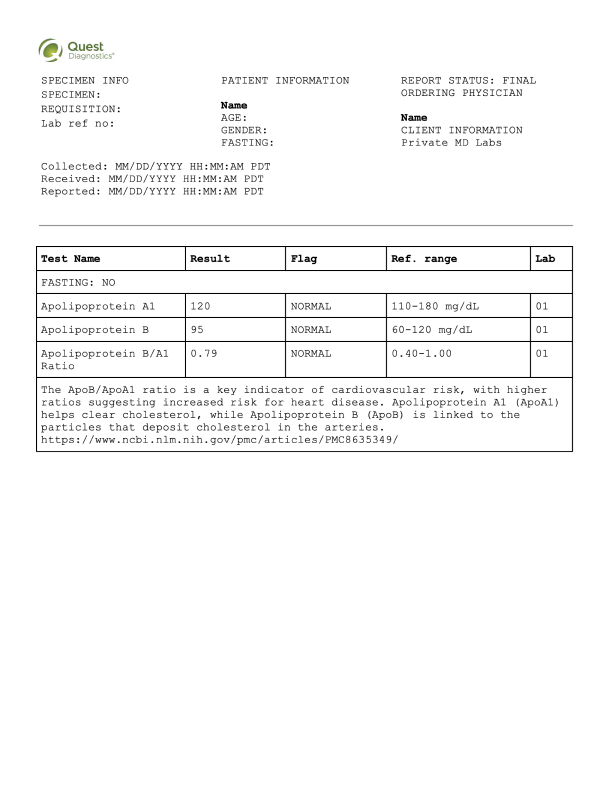
Sample results
Allergic Bronchopulmonary Aspergillosis (ABPA) is a severe lung condition that occurs when the immune system overreacts to Aspergillus fumigatus fungi. It is caused by an exaggerated immune response producing high levels of IgE and IgG antibodies against Aspergillus species, leading to inflammation and potential lung damage. The Respiratory Allergy Profile panels testing for Aspergillus fumigatus IgE are the most important tests for diagnosis because they directly measure the allergic immune response to this fungus.
Allergic Bronchopulmonary Aspergillosis is caused by an exaggerated immune response to Aspergillus fumigatus, a common mold found in soil, decaying vegetation, and indoor environments. When you inhale Aspergillus spores, your immune system produces excessive amounts of IgE and IgG antibodies, triggering severe inflammation in your airways and lung tissue. This hypersensitivity reaction is most common in people with asthma or cystic fibrosis, whose lungs provide an environment where the fungus can colonize without actually causing infection.
The Respiratory Allergy Profile panels are the most important tests for Allergic Bronchopulmonary Aspergillosis because they directly measure IgE antibodies to Aspergillus fumigatus and other fungal allergens that trigger this condition. These comprehensive panels detect your immune response to multiple molds including Aspergillus fumigatus, Alternaria alternata, Cladosporium herbarum, and Penicillium notatum. Additional tests like Allergen Specific IgE for Fusarium solani and IgG antibody panels for Alternaria alternata and Aureobasidium Pullulans help identify chronic immune responses to other fungi that can cause similar lung reactions. Elevated total IgE levels combined with positive fungal-specific antibodies confirm the diagnosis.
You should get tested if you have asthma or cystic fibrosis and experience worsening symptoms like persistent wheezing, coughing up brown mucus plugs, or shortness of breath that does not improve with standard treatment. Testing is also important if you develop recurrent lung infections, notice blood in your mucus, or have chest X-rays showing new lung infiltrates or bronchiectasis. Early detection through blood testing prevents permanent lung damage and helps your doctor start appropriate antifungal and corticosteroid treatment before the condition progresses.
What this means
Your testosterone levels are slightly below the optimal range. While this is not necessarily cause for concern, it may contribute to occasional fatigue, reduced motivation, or lower muscle mass over time.
Recommended actions
Increase resistance or strength training
Prioritize 7–8 hours of quality sleep per night, try to reduce stress
Include more zinc- and magnesium-rich foods (like shellfish, beef, pumpkin seeds, spinach)
Consider retesting in 3–6 months
Not overhyped or overpriced. Just comprehensive blood testing made simple and for everyone.
Sample results
Your 24/7 Personal Lab Guide
Quick questions: