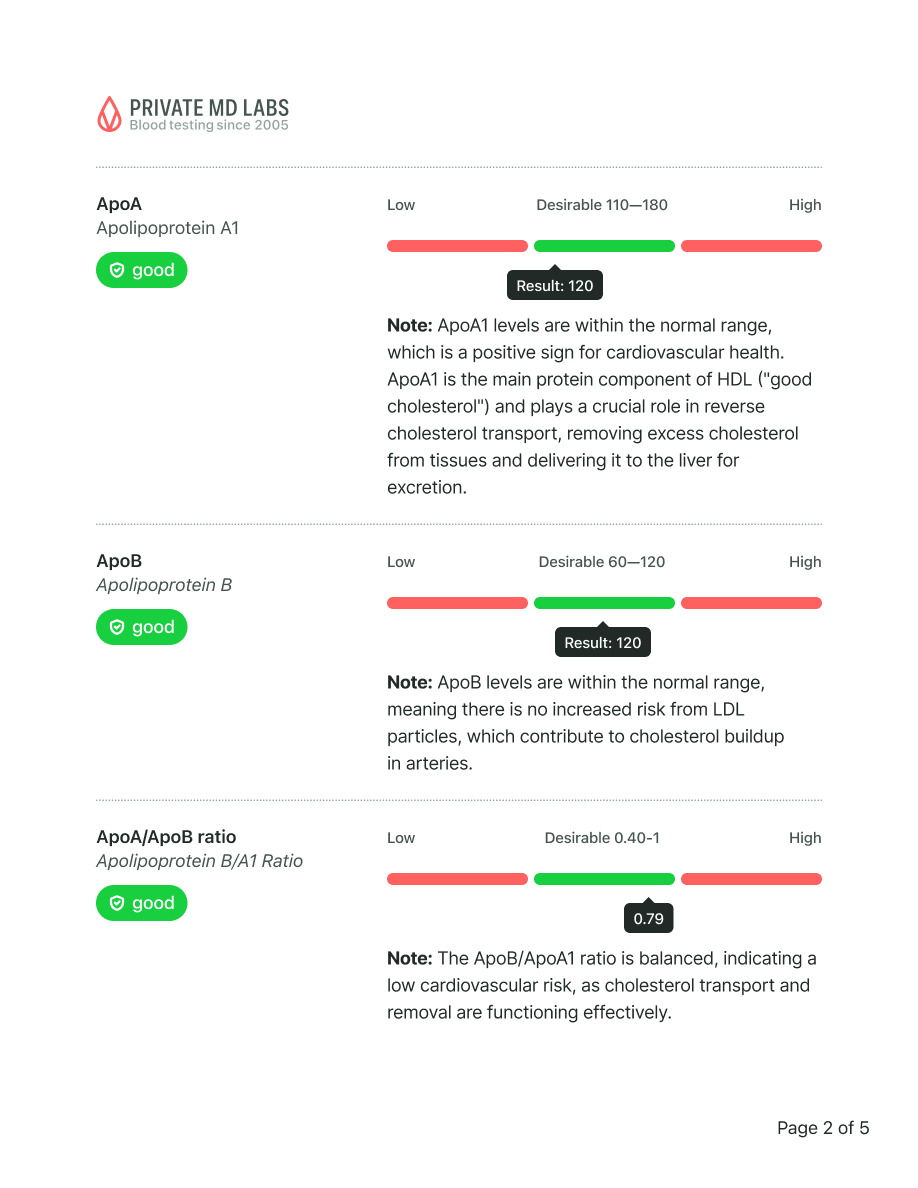
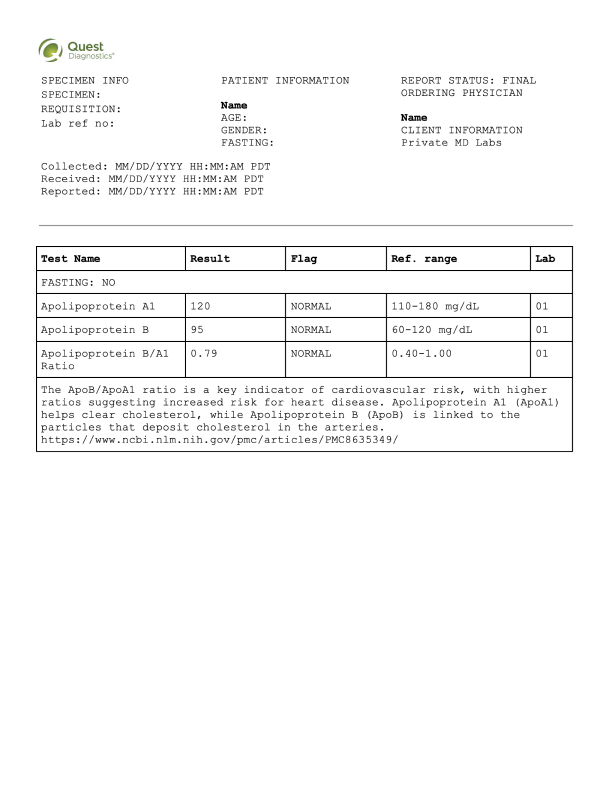
Sample results
Afibrinogenemia is a rare inherited bleeding disorder characterized by the complete absence of fibrinogen, a protein essential for blood clotting. It is caused by genetic mutations in the FGA, FGB, or FGG genes that prevent the production of functional fibrinogen. The Fibrinogen Activity test is the most important test for diagnosis, as it directly measures the blood's clotting ability and reveals extremely low or undetectable fibrinogen levels.
Afibrinogenemia is caused by inherited mutations in the FGA, FGB, or FGG genes, which provide instructions for making the three parts of the fibrinogen protein. These genetic defects prevent the liver from producing functional fibrinogen, leaving the blood unable to clot properly. The condition follows an autosomal recessive inheritance pattern, meaning a child must inherit a mutated gene from both parents to develop afibrinogenemia.
The Fibrinogen Activity test is the most important test for afibrinogenemia because it directly measures how much functional fibrinogen is available for blood clotting. This test uses the Clauss method and will show extremely low to undetectable levels (typically below 10 mg/dL) in people with afibrinogenemia, compared to normal levels of 200-400 mg/dL. The Fibrinogen Antigen test is often ordered as a confirmatory test to measure the actual amount of fibrinogen protein present, which also will be extremely low or absent in afibrinogenemia. Together, these tests provide definitive evidence of the condition and help distinguish it from other bleeding disorders.
You should get tested if you experience unexplained excessive bleeding, such as spontaneous bleeding episodes, severe bleeding after minor injuries or dental procedures, prolonged bleeding that is difficult to stop, or if you have a family history of bleeding disorders. Newborns with afibrinogenemia may present with umbilical cord bleeding or bleeding from the circumcision site. Women may experience heavy menstrual periods or complications during pregnancy. Early diagnosis is critical for proper management and preventing life-threatening bleeding events.
What this means
Your testosterone levels are slightly below the optimal range. While this is not necessarily cause for concern, it may contribute to occasional fatigue, reduced motivation, or lower muscle mass over time.
Recommended actions
Increase resistance or strength training
Prioritize 7–8 hours of quality sleep per night, try to reduce stress
Include more zinc- and magnesium-rich foods (like shellfish, beef, pumpkin seeds, spinach)
Consider retesting in 3–6 months
Not overhyped or overpriced. Just comprehensive blood testing made simple and for everyone.
Sample results
Your 24/7 Personal Lab Guide
Quick questions: