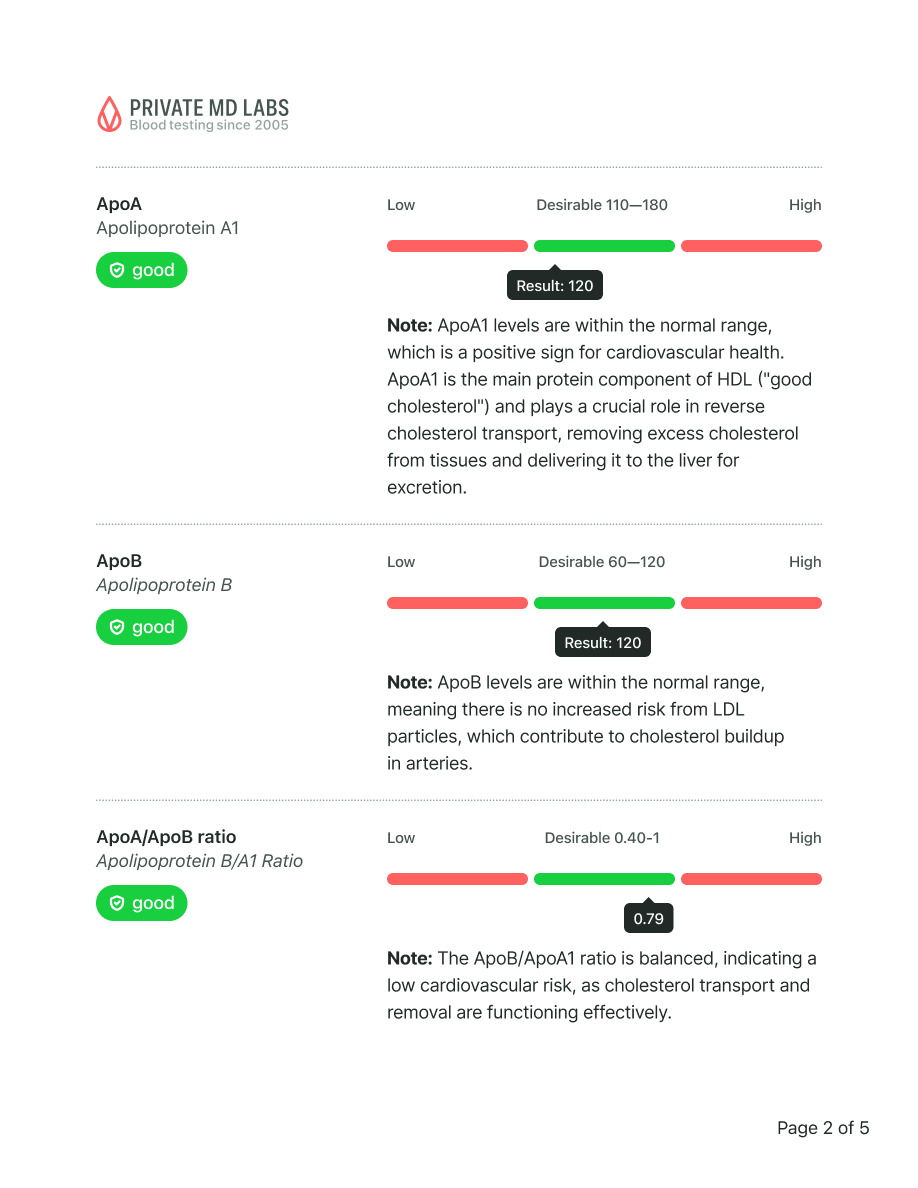
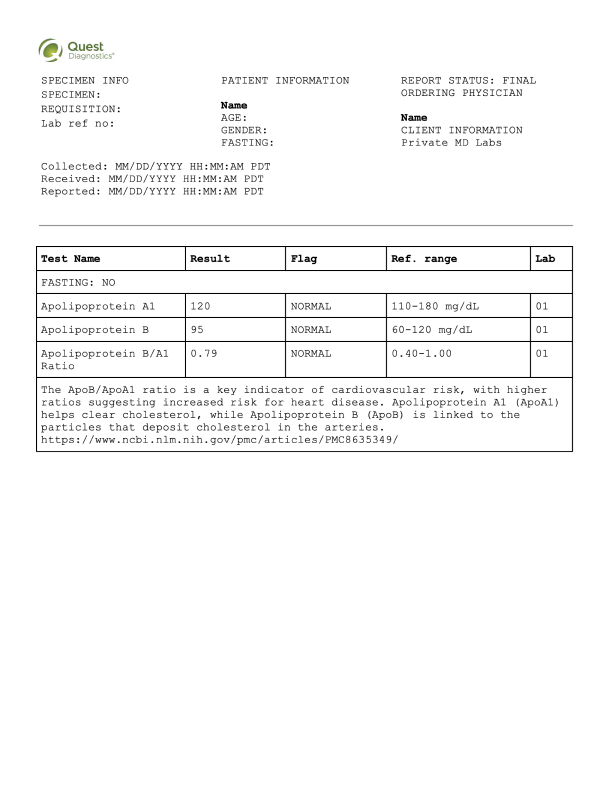
Sample results
Adrenal tumors are abnormal growths in the adrenal glands that produce essential hormones like cortisol, aldosterone, and DHEA-S. They are caused by uncontrolled cell growth in the adrenal cortex or medulla, leading to hormone overproduction or disruption. The Adrenocorticotropic Hormone (ACTH) test is the most important test for diagnosis because it detects hormone abnormalities that indicate functioning adrenal tumors.
Adrenal tumors are caused by uncontrolled cell growth in the adrenal glands, which sit on top of your kidneys and produce hormones like cortisol, aldosterone, and DHEA-S. Most adrenal tumors are benign (non-cancerous), but some can be malignant adrenal cancers. The exact cause is often unknown, but genetic mutations, inherited conditions like Li-Fraumeni syndrome or Multiple Endocrine Neoplasia, and random cellular changes can trigger tumor development. Many adrenal tumors are functioning tumors, meaning they overproduce hormones and cause noticeable symptoms.
The Adrenocorticotropic Hormone (ACTH) test is the most important blood test for adrenal tumors because it detects hormone abnormalities that indicate whether a tumor is producing excess hormones. Elevated ACTH levels can signal certain types of adrenal tumors or cancers that disrupt normal hormone regulation. The DHEA-S Sulfate test is also essential because adrenal tumors often overproduce DHEA-S, and elevated levels can confirm the presence of a functioning adrenal tumor. These blood tests work alongside imaging studies like CT or MRI scans to provide a complete diagnostic picture and help your healthcare provider determine the best course of action.
You should get tested if you experience symptoms of hormone overproduction such as unexplained weight gain, high blood pressure that is difficult to control, muscle weakness, or unusual fat deposits around your face and neck. You should also consider testing if you notice excessive hair growth, irregular periods, or mood changes like anxiety and depression. Anyone with a family history of adrenal disorders or genetic conditions linked to tumors should get screened regularly. If an imaging scan incidentally discovers an adrenal mass, hormone blood tests are essential to determine if the tumor is functioning and requires treatment.
What this means
Your testosterone levels are slightly below the optimal range. While this is not necessarily cause for concern, it may contribute to occasional fatigue, reduced motivation, or lower muscle mass over time.
Recommended actions
Increase resistance or strength training
Prioritize 7–8 hours of quality sleep per night, try to reduce stress
Include more zinc- and magnesium-rich foods (like shellfish, beef, pumpkin seeds, spinach)
Consider retesting in 3–6 months
Not overhyped or overpriced. Just comprehensive blood testing made simple and for everyone.
Sample results
Your 24/7 Personal Lab Guide
Quick questions: