
Absolute Promyelocytes
White Blood Cell Count
Red Blood Cell Count
Hemoglobin
Hematocrit
MCV
MCH
MCHC
RDW
Platelet Count
MPV
Absolute Neutrophils
Absolute Metamyelocytes
Absolute Myelocytes
Absolute Lymphocytes
Absolute Monocytes
Absolute Eosinophils
Absolute Basophils
Absolute Blasts
Absolute Nucleated Rbc
Neutrophils
Metamyelocytes
Myelocytes
Promyelocytes
Lymphocytes
Reactive Lymphocytes
Monocytes
Eosinophils
Basophils
Blasts
Nucleated RBC
White Blood Cells
Red Blood Cells
Segmented Neutrophils
Metamyelocyte
Myelocyte
Promyelocyte
Nucleated RBCs
Smudge Cells
Hepatitis B Surface Antigen
Hepatitis C Antibody
Hiv Ag/Ab, 4Th Gen
 90-day money-back guarantee
 Lab order in minutes
 Save a trip to the doctor
 Low prices since 2005
 Labs within 2 miles

 507-528-7448
👈 text only
507-528-7448
👈 text only
100% private
💰 Get $200 with your 1st order
Where should we send your $200 credit?
What's your goal?
$200 awaits you! 💪
Get $25 now + $175 after your first order!

Here's what you get:
 $200 credit towards any tests
Hassle-free blood testing
200 loyalty points
$200 credit towards any tests
Hassle-free blood testing
200 loyalty points
4,000+ lab locations nationwide
Results as soon as 24-48h
First name is required
Email is required

Phone is required
First $25 credit
Ready to use
Next 7 x $25 credits
Locked

Don't show me again

Fighter's Blood Test for Competition Clearance
Fighter's Competition Clearance Panel

- Unveil hidden health issues before competition
- Confirm your fitness levels with certainty
- Highlight areas needing improvement for peak performance
$314
Example results
First results as soon as overnight*
90 day happiness guarantee
We stand behind our service
Prescription & fees included
Go directly to the lab, no extra fees
Easy to understand results
With friendly doctor's notes & guidance
Fast & convenient
Lab visit as quick as 10 mins in & out
90 day happiness guarantee
We stand behind our service
Prescription & fees included
Go directly to the lab, no extra fees
Easy to understand results
With friendly doctor's notes & guidance
Fast & convenient
Lab visit as quick as 10 mins in & out
What's this test for?
This test is required for professional fighters (boxers, MMA competitors, etc.) who need medical clearance to compete. Most states require proof that you don't have HIV, Hepatitis B, Hepatitis C, or blood disorders before you can step into the ring or cage. It's essential if you're getting licensed, renewing your fighter's license, or preparing for an upcoming bout.
How should I prepare for this test?
No biotin:
72 hours
You should stop taking biotin supplements (vitamin B7, B8, vitamin H, or coenzyme R) at least 72 hours before your blood draw, as high-dose biotin can interfere with some of the tests in this panel. No fasting is required for this test. Make sure to bring a valid photo ID to the lab, and if you're getting tested for a specific competition or licensing requirement, confirm with your state athletic commission that this panel covers all their required tests.
What's included in this test?
This panel screens for HIV using fourth-generation testing that detects both antibodies and antigens for early detection. It checks for Hepatitis B and Hepatitis C infections, which can be transmitted through blood contact in combat sports. The Complete Blood Count (CBC) evaluates your red and white blood cells, hemoglobin, and platelets to ensure you don't have anemia, blood disorders, or other conditions that could make fighting dangerous. Together, these tests provide the comprehensive screening most state athletic commissions require for fighter safety and competition clearance.
What happens after I get my results?
You'll receive doctor notes in simple language explaining what your screening results mean for your competition eligibility and overall health. These notes include guidance on next steps, whether you're cleared to compete, or if any results need follow-up with your athletic commission or physician. You'll also get the standard lab report that you can submit to your state athletic commission, and you can track your health markers over time using our trends feature for ongoing monitoring.
When will I get my results?
Most results are typically available within 1-3 business days after your blood is drawn. However, if any test requires reflex confirmation testing (like Hepatitis B or C), those specific results may take a few additional days. You'll receive an email notification as soon as your results are ready to view online, giving you time to submit them to your athletic commission before your fight date.
Who should consider getting this test?
This test is essential for professional fighters, boxers, MMA competitors, kickboxers, and other combat sports athletes who need medical clearance to compete. You'll need this if you're applying for a new fighter's license, renewing an existing license, or preparing for an upcoming sanctioned bout. Even amateur fighters or those training for their first competition should consider this test to ensure they meet athletic commission requirements and can compete safely.
What symptoms indicate I may need this test?
Most fighters getting this test don't have symptoms—it's required for competition safety and licensing, not symptom-based. However, if you've been exposed to blood during training or previous fights, or if you're experiencing unexplained fatigue, easy bruising, frequent infections, or yellowing of the skin or eyes, these could indicate infections or blood disorders that this panel would detect. Even without symptoms, regular screening is important for fighters due to the blood-contact nature of combat sports.
How can I maintain my health as a fighter?
Prioritize recovery between training sessions with adequate sleep (7-9 hours nightly) and proper nutrition including lean proteins, complex carbs, and plenty of vegetables. Always use proper protective equipment during sparring to minimize blood contact and injury risk. Stay hydrated, manage your weight safely without extreme cutting, and get regular medical screening especially before competitions. Build a relationship with a sports medicine doctor who understands combat sports and can monitor your long-term health.
What does the Complete Blood Count check for?
The CBC measures your red blood cells (which carry oxygen to your muscles), white blood cells (which fight infections), hemoglobin (oxygen-carrying protein), and platelets (which help blood clot). For fighters, this is crucial because low red blood cells or hemoglobin (anemia) can cause dangerous fatigue and poor performance in the ring. Low platelets or clotting problems could lead to excessive bleeding from cuts during a fight, which is why athletic commissions require this test for safety.
How often should fighters get retested?
Most state athletic commissions require this screening annually when you renew your fighter's license, though some states may require testing within a specific timeframe before each fight (often 30-90 days). Even if you're between fights, it's wise to get screened annually to monitor your health and be ready when opportunities arise. If you've had any potential exposure to bloodborne pathogens during training or competition, consider retesting sooner to ensure your safety and that of your training partners.
How’s this work?
Long story short:
- In the test options, use the filters or search box to narrow your choices and find the test you want.
- If you need a hand navigating through options, text our super friendly support team at 754-799-7833, and we'll provide tailored suggestions to help you find the ideal test.
- Once your order is placed, we’ll create your doctor’s lab order remotely, without any need for you to make a trip to a doctor in person or to talk to the doctor. Expect to receive your doctor’s lab order right in your inbox. It will also be in your patient portal if you need to find it later. We’ll also include instructions regarding fasting and other requirements for your test. Your patient portal will be auto-created hassle-free during checkout.
- If this is your first time ordering, you'll be prompted to create a password for instant login access to your patient portal. It's a quick way to conveniently access your orders and results whenever you want.
- When you’re ready, visit one of our 4,000 locations. Just bring your ID – no printing or faxing of your lab order is needed, as your order and details will already be in the lab system.
- Note that most lab locations don’t accept walk-ins, so it’s best to book an appointment in advance. Don’t worry – we’ll provide detailed instructions along the way.
- You’ll get your results via email & SMS and dive into understanding your body better. Yup, that easy! If you have any questions, please text us at 754-799-7833 or email support@privatemdlabs.com and we'll gladly help you.
How do I know which test to get?
Just text or call us at 754-799-7833, email us at support@privatemdlabs.com, and we'll gladly help you. We've got your back and reply quickly.
Is it possible to make changes to my lab order if I made a mistake with the name, date of birth, or any other details?
Just reach out to us via text at 754-799-7833 or shoot us an email at support@privatemdlabs.com. Remember to include your order number and let us know the correct information you’d like to update. Our awesome team will jump right in and make sure everything is sorted out and accurate for you.
There are no changes necessary if your address is wrong on the requisition though. We don’t mail anything out.
Our lab requires an address to be listed to generate an order.
Do you accept health insurance?
Our services are strictly self-pay and cannot be submitted to your health insurance provider except for Health Savings Accounts or Flexible Savings Accounts.
This policy applies to all insurance companies, including federal health insurance programs like Medicare.
If you have any questions, please text us at 754-799-7833 or email support@privatemdlabs.com.
Can I cancel my order?
We get it – sometimes your needs change.
As long as your samples haven’t been collected yet, we’re happy to help you cancel your order.
If you have any further questions, please text us at 754-799-7833 or email support@privatemdlabs.com.
You can read more about our cancellation policy here.
How can I find a lab location near me?
Before you proceed with your order, feel free to browse through all our lab locations here. This will give you the peace of mind of knowing that there's a lab nearby your home, office or your favorite gym.
If you have any questions, please text us at 754-799-7833 or email support@privatemdlabs.com and we'll gladly help you.
Here’s why 1,000,000+ customers chose us for affordable hassle-free private blood testing.
You get clinical lab reports & simplified health insights.
Save time & gas, go straight to the lab. Our doctors cover the rest.
Results start landing the next day after your lab visit.*
We don’t sell or share your data. Your time & privacy matter.
US-licensed doctors have your back if things get unclear.
No hidden fees, nice discounts for regular checkups.
 Save a trip to the doctor, go directly to the lab
 Instant orders, results often overnight*
 Results explained in simple language
 Reviewed by US licensed doctors
 Fast & confidential, we never sell or share your data
 No insurance needed, transparent pricing
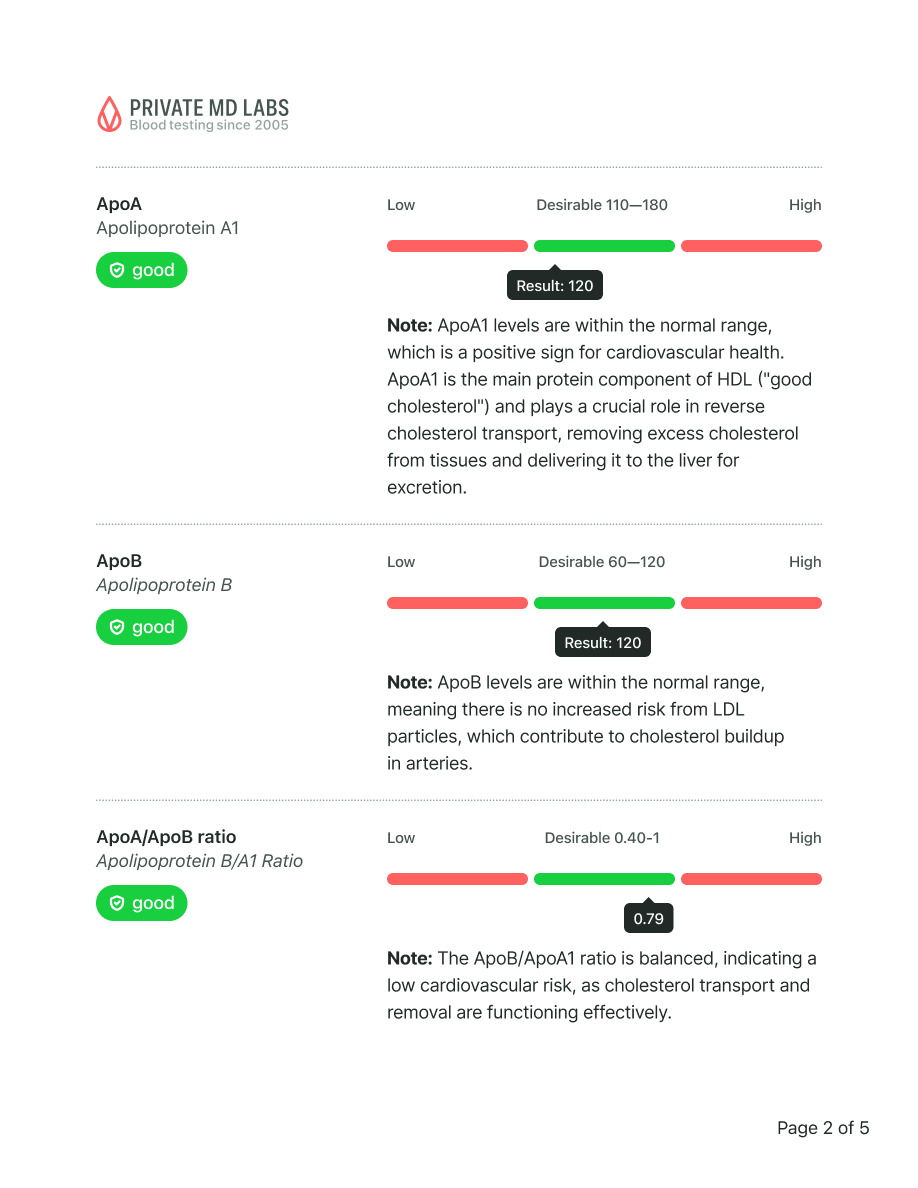
Demo results
HIV 1/2 Antigen and Antibodies
Negative
Demo results
Negative
Positive
Negative
What this means
Your HIV test came back negative, meaning no HIV antibodies or antigens were detected in your blood. This is the expected and healthy result, and you meet the medical clearance requirement for competition.
Recommended actions
Continue using proper protective equipment during sparring to minimize blood contact
Maintain awareness of blood exposure risks in combat sports training
Get annual screening as required by your state athletic commission for license renewal
Practice universal precautions when treating cuts or injuries during training
* Regular blood test results (e.g., CBC) typically start arriving the next business day after sample collection. More complex tests, such as hormone panels, may take up to 10–15 business days due to their complexity.
Here’s how easy it is to get blood work done on your terms

Order your test
Save a trip to the doctor. Your results will come with clear, friendly explanations.
Takes 2 minutes

Book an appointment
Visit any of our 4,000 nearby lab locations to have your samples collected.
Book or walk-in

Get results
Receive a clear, easy-to-digest health report by email & SMS within a few business days.
Get answers, fast
Fighter's Blood Test for Competition Clearance
- Unveil hidden health issues before competition
- Confirm your fitness levels with certainty
- Highlight areas needing improvement for peak performance
$314
Example results
1,000,000+ blood tests later, here's what our customers say



 505 reviews

Still got questions?
Text our super-cool support team at 754-799-7833 to get help finding your ideal checkup.
